
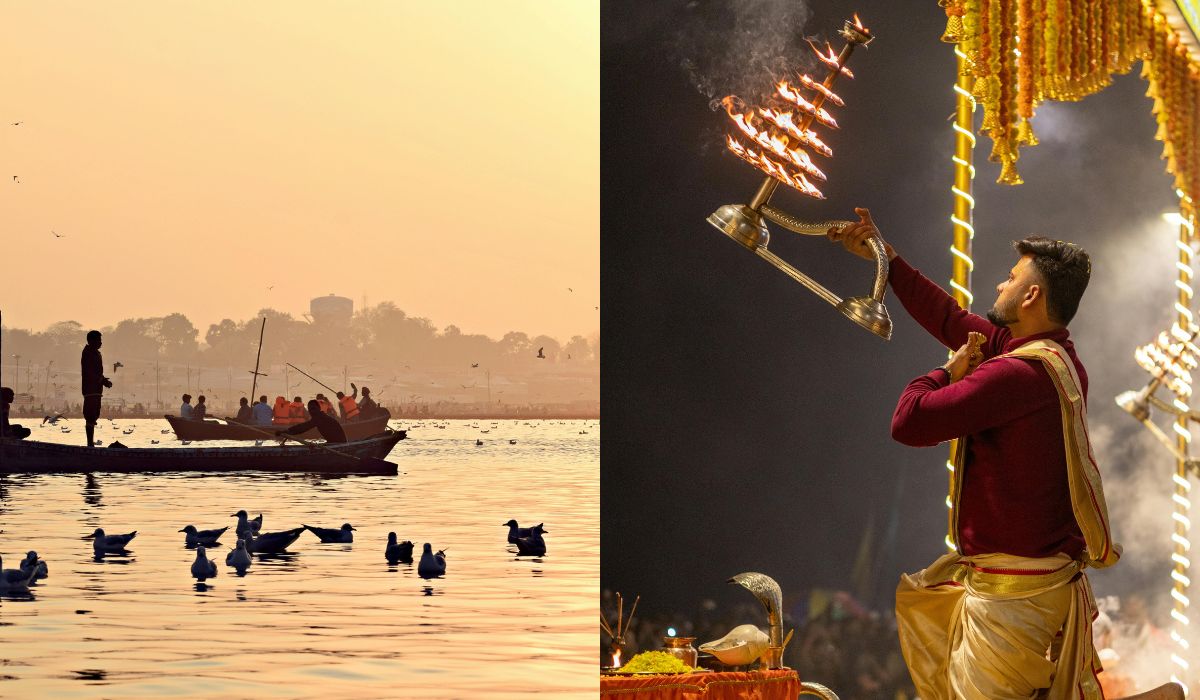
Ganga Dussehra is one of the most auspicious occasions in the Hindu calendar. This year, it will fall on May 25. Devotees, especially in Varanasi, observe it with much zeal and fervor. However, even if you are unable to visit the Ganga River, you can still do the Puja at home. If you, too, are planning on observing the rituals usually done on this blessed day, read this unstumbled guide!
Ganga Dussehra 2026: Date And Shubh Muhurat
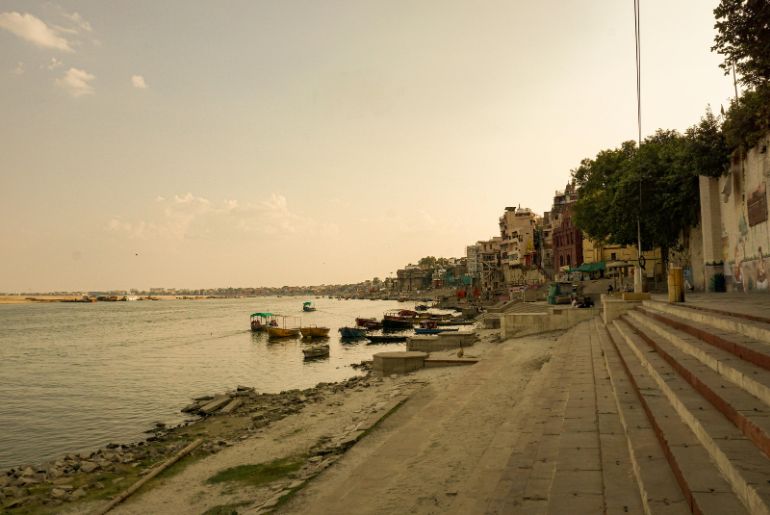
Also known as Gangavataran, Ganga Dussehra marks the arrival of this holy river on earth. This year, the holy day will fall on Monday, May 25, 2026. Following are the important timings for Ganga Dussehra 2026:
Dashami Tithi Begins: 4:30 AM on May 25
Best Snan Muhurat: 4:30 AM to 5:30 AM (Brahma Muhurat)
Dashami Tithi Ends: 5:10 AM on May 26 (Tuesday)
Hasta Nakshatra Begins: 4:08 AM on May 26
Hasta Nakshatra Ends: 5:56 AM on May 27(Wednesday)
Vyatipata Yoga Begins: 3:11 AM on May 27
Vyatipata Yoga Ends: 3:25 AM on May 28 (Thursday)
Also Read: The Ultimate Itinerary: 48 Hours In Varanasi
Significance: Why Is It Called “Dussehra”?
Meaning Of “Dussehra”
The meaning of the word is derived from its root words “das”, meaning ten, and “haara”, meaning defeated. It is believed that on this holy day, Ganga cleanses ten types of sins and therefore, the word is used.
Also Read: Sita Navami 2026: Dates, Shubh Muhurat, Significance, Puja Vidhi & More
Story Of Ganga Dussehra
As mentioned above, this marks the first time that Ganga came to Earth. The story starts with King Sagara, who is the ancestor of the Ikshvaku dynasty. He had performed a powerful Yajna and had sent his sixty thousand sons to recover a sacred horse that Indra had stolen.
While looking for him, the sons reached the shrine of Sage Kapila. Their presence disturbed the sage’s meditation. In a fit of yogic fury, he burned all of them to ashes, dooming their souls to wander restlessly without liberation.
After a string of their descendants’ unsuccessful attempts to pray for their souls, King Bhagirathi, also a descendant, prayed so fervently that it moved Lord Brahma. He decided to send Ganga, who was residing in his abode, to cleanse the sins of sixty thousand sons and liberate their souls.
However, Ganga was a cosmic force, and if unleashed directly, it would destroy the earth. Therefore, Lord Brahma asked for Lord Shiva’s help. Lord Shiva restrained Ganga’s full might with his thick, matted locks, allowing her to gently come to earth and wash away the ashes and the sins of the souls.
Also Read: When Is Gangaur Festival In 2026? Meaning, Traditions, and Celebration Guide
Puja Vidhi: How To Perform The Rituals At Home
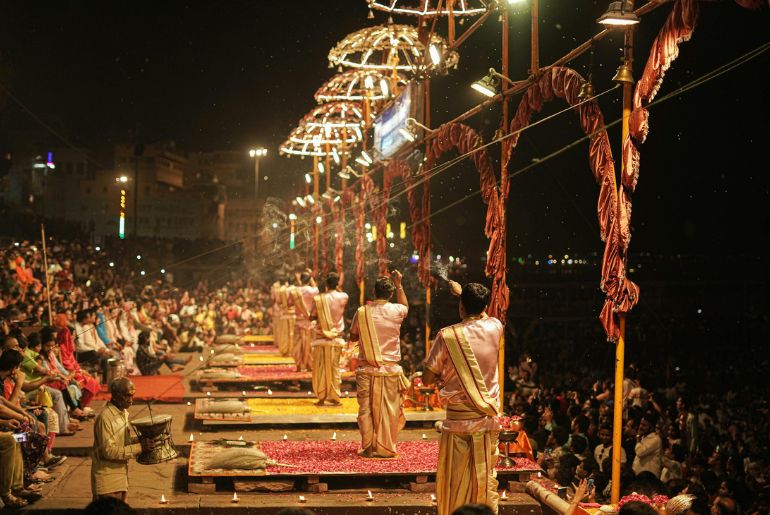
If you could not visit the Ganga River this year for Ganga Dussehra, fret not. You can still do the rituals at home. Here’s how:
Preparation: Add a few drops of Gangajal to your bathwater to perform Dashavidha.
Sankalpa: Take a vow to stay truthful and perform ten types of daan (charity).
Offerings: Offer ten lamps, ten types of flowers, and ten types of fruits to Maa Ganga.
Mantra Chanting: Recite the Ganga stotram or the simple mantra: “Om Namo Gangaye Vishwarupini Narayani Namo Namah.”
What’s The Importance Of Charity On Ganga Dussehra
Charity is a central part of this festival. Devotees are expected to donate in the number of tens. Following are the items that can be donated on this day.
- Water or Earthen Pots
- Food (Grains or seasonal fruits like mango)
- Clothes or umbrellas
Also Read: Badrinath Darshan Guide 2026 & Timings, Puja Booking & What To Expect At The Portal
FAQs
What’s The Difference Between Ganga Jayanti And Ganga Dussehra?
Ganga Jayant marks the rebirth of Ganga from the ear of Sage Jahnu, whereas Ganga Dussehra marks the river’s first descent on Earth.
Can I Perform Ganga Dussehra Puja Even If I’m Not At Ganga?
Yes, add a few drops of Gangajal to your bathwater to perform the Dashavidha.
Why Is The Number 10 Important On This Day?
The word Dussehra means the end of the ten types of sins.