

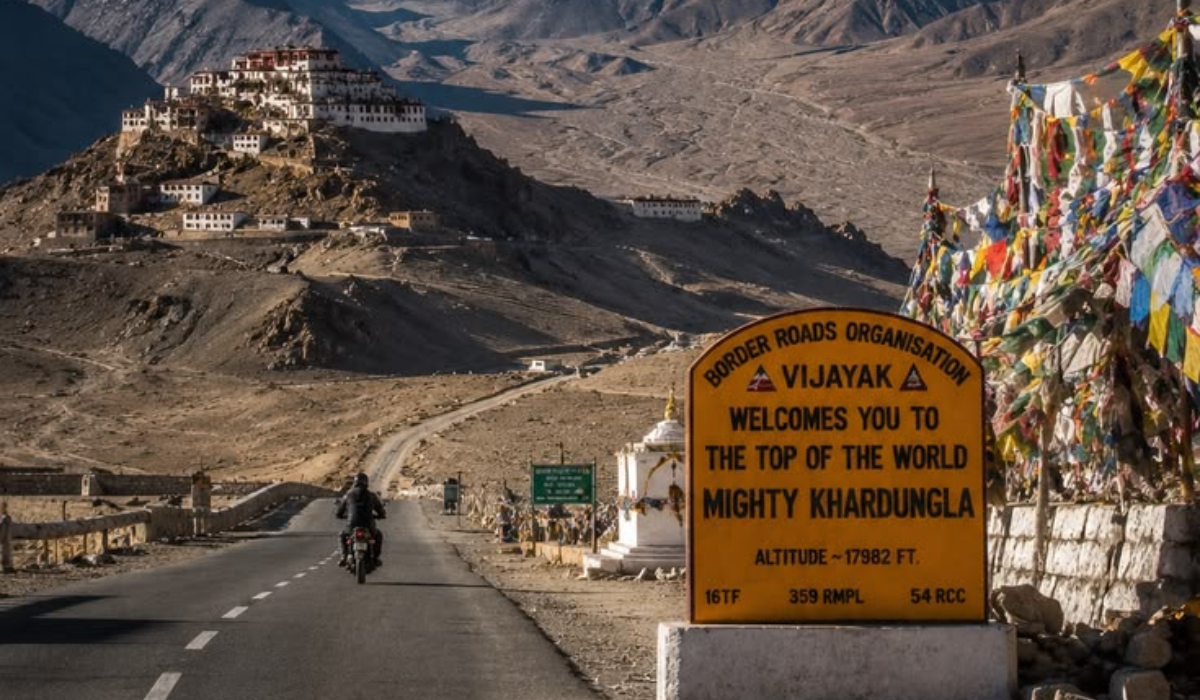
Ladakh is one of those destinations where the journey matters just as much as the places you visit. High mountain passes, Buddhist monasteries, cold deserts, remote villages, and enormous blue lakes can all be part of the same trip. But distances are long, the altitude is demanding, and trying to fit too much into a short itinerary can quickly turn an exciting vacation into an exhausting one.
If you have eight days in Ladakh, the key is to spend the first two days acclimatizing before moving toward Nubra Valley and Pangong Tso. This 8 Days Ladakh Itinerary covers Leh, Khardung La, Hunder, Turtuk, Pangong Tso, Thiksey, and Hemis while leaving enough time to adjust to the altitude and enjoy the journey.
8 Days Ladakh Itinerary At A Glance
Day 1: Arrive in Leh and acclimatize
Day 2: Acclimatization and light Leh sightseeing
Day 3: Leh to Nubra Valley via Khardung La, Diskit and Hunder
Day 4: Hunder to Turtuk and back
Day 5: Nubra Valley to Pangong Tso via Shyok
Day 6: Pangong Tso to Leh via Chang La
Day 7: Thiksey, Hemis and Leh sightseeing
Day 8: Departure from Leh
Day 1: Arrive In Leh And Acclimatize
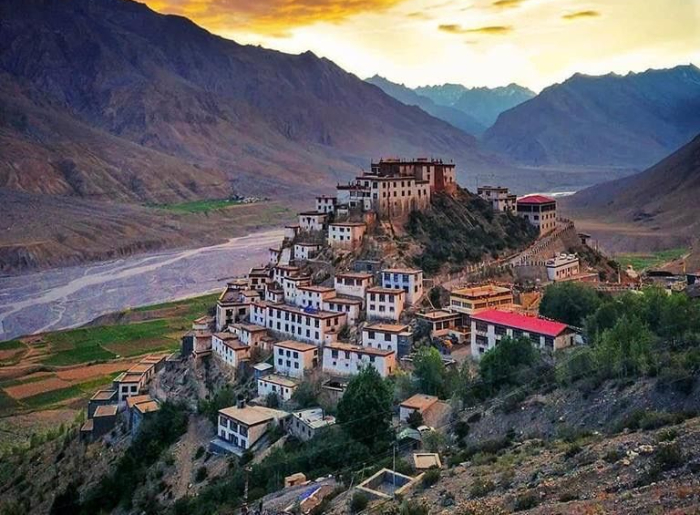
Your first day in Leh should be deliberately uneventful. Leh sits at an altitude of roughly 3,500 meters, and travelers arriving by air experience a rapid increase in elevation. The Leh administration advises visitors to complete at least 48 hours of acclimatization before traveling toward higher-altitude destinations.
After checking into your hotel, spend the day resting, eating light meals, and staying hydrated. Avoid strenuous sightseeing, long walks, alcohol, and unnecessary physical exertion. Headache, nausea, dizziness, fatigue, loss of appetite, and difficulty sleeping can be signs of Acute Mountain Sickness. Do not assume that symptoms will automatically disappear after resting. If they become severe, persist, or worsen, seek medical assistance.
Day 2: Acclimatization And Leh Sightseeing
Keep the second day easy as your body continues adjusting to the altitude. Instead of heading toward a high mountain pass, explore a few places within Leh at a relaxed pace. You can walk through Leh Market, explore parts of the Old Town, or visit Leh Palace if you are feeling well. Shanti Stupa is another popular attraction, although you should avoid overexerting yourself while climbing steps or walking uphill. Do not try to cover every attraction in Leh on this day. You will have another opportunity for sightseeing later in the itinerary.
Day 3: Leh To Nubra Valley Via Khardung La
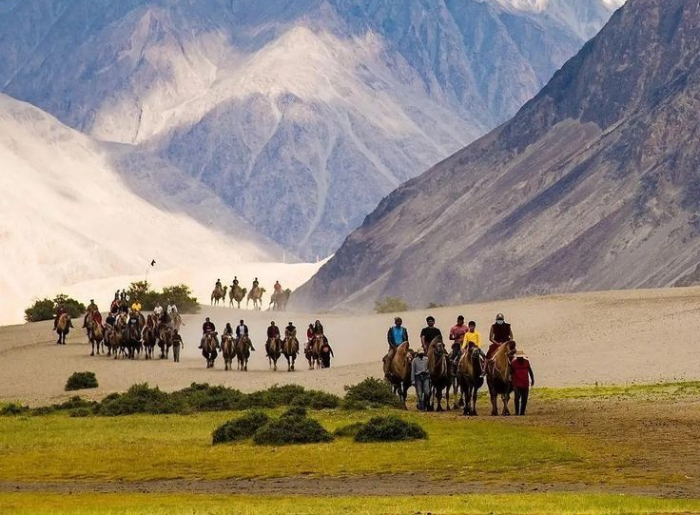
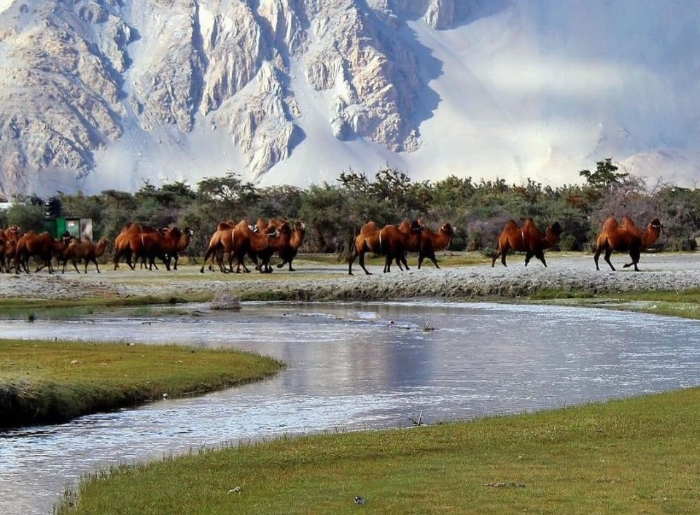
After completing the initial acclimatization period, leave Leh for Nubra Valley. The journey takes you across Khardung La, one of Ladakh’s best-known high-altitude mountain passes. Continue toward Diskit, where you can visit Diskit Monastery before traveling to Hunder. The landscape changes noticeably as you enter Nubra Valley, with barren mountains giving way to stretches of sand dunes and settlements along the valley floor. Hunder is particularly known for its sand dunes and double-humped Bactrian camels. Spend the evening exploring the surroundings before staying overnight in Hunder.
Day 4: Hunder To Turtuk And Back
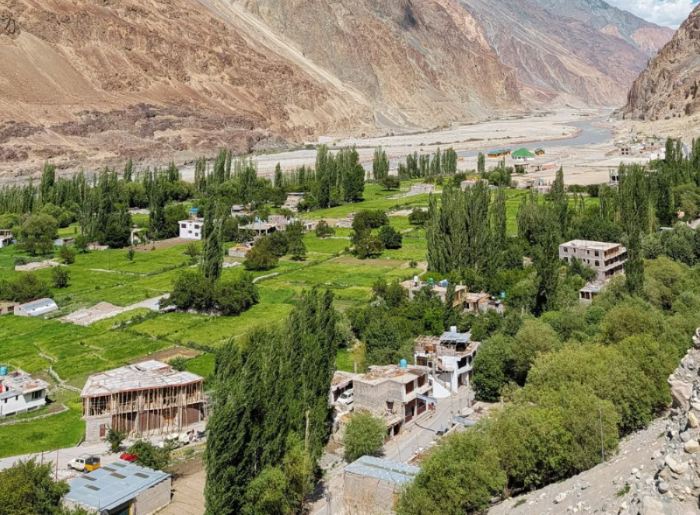
Dedicate the fourth day to Turtuk, a remote village in the Nubra region. The drive itself is one of the highlights, taking you through dramatic mountain scenery and small settlements. Turtuk has a culture and landscape that feel noticeably different from central Ladakh. Spend a few hours walking through the village, exploring its narrow lanes, observing traditional homes, and stopping at a local café or homestay for a meal. Return to Hunder later in the day for a second night in Nubra Valley. Staying in Hunder rather than changing hotels again also makes the itinerary easier.
Day 5: Nubra Valley To Pangong Tso Via Shyok
Leave Nubra Valley and travel toward Pangong Tso via the Shyok route. This is another long road journey, so start early and keep the day focused primarily on reaching the lake. Pangong Tso sits at an altitude of more than 4,300 meters and stretches across the India-China border region. Its blue water, stark surrounding mountains, and changing colors have made it one of Ladakh’s most recognizable landscapes. Once you arrive, spend some time near the designated visitor areas rather than trying to cover large distances around the lake. Temperatures can fall quickly after sunset, even during the main travel season, so carry adequate warm clothing. Stay overnight around Pangong.
Day 6: Pangong Tso To Leh Via Chang La
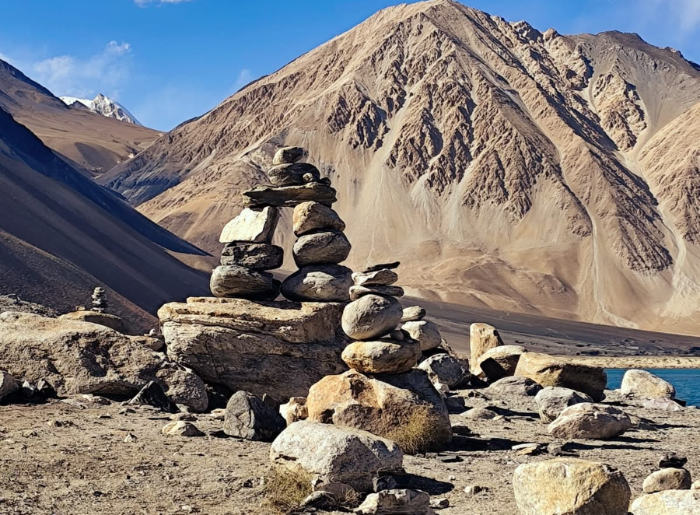
Wake up early to experience Pangong Tso before beginning the return journey to Leh. The route back generally takes you across Chang La, another high-altitude pass in Ladakh. Since the drive is long, avoid filling the day with too many additional stops. Once you return to Leh, check into your hotel and spend the evening resting. If you still have energy, head to Leh Market for dinner or a short walk. Otherwise, save the remaining sightseeing for the following day.
Day 7: Thiksey, Hemis And Leh
Use your final full day to explore some of the attractions around Leh. Start with Thiksey Monastery, approximately 19 kilometers from the city. Its hilltop location, monastery complex, Buddhist art, and religious atmosphere make it one of the most rewarding monasteries to visit around Leh. Continue to Hemis Monastery, another important Buddhist monastery in Ladakh. Depending on your pace, you can return to Leh later in the afternoon and spend your final evening exploring Leh Market, Old Town, Leh Palace, or Shanti Stupa. This is also a good time for souvenir shopping and trying local cafés and restaurants before leaving Ladakh.
Day 8: Departure From Leh
Keep your final morning relatively relaxed and travel to Kushok Bakula Rinpoche Airport for your flight home. Leave enough time to reach the airport and complete security procedures. Weather conditions in the mountains can occasionally affect flight schedules, so avoid making tightly timed onward travel arrangements immediately after your scheduled arrival at your next destination.
Wondering where to eat after a day of exploring? Discover 10 of the best restaurants in Leh you have to try during your trip.
How To Reach Ladakh
By Air
Flying into Leh is the quickest option for most travelers. Kushok Bakula Rinpoche Airport has scheduled commercial flights connecting Leh with cities in India, although routes and frequencies can change according to season and airline schedules. Flying also means gaining altitude very quickly, which makes the initial acclimatization period especially important.
By Road
Ladakh can also be reached by road through the Srinagar-Leh Highway and Manali-Leh Highway. Both journeys offer spectacular mountain scenery but are seasonal routes whose accessibility depends heavily on snow and road conditions. Travelers planning a road trip should check the latest highway status before leaving rather than relying on expected seasonal opening dates. There is currently no operational railway connection to Leh. A proposed Bilaspur-Manali-Leh railway has been surveyed and planned, but travelers cannot currently reach Leh directly by train.
Do You Need A Permit For Ladakh In 2026?
Indian tourists do not currently require the old Inner Line Permit to travel to standard tourist destinations in Ladakh. This is an important change from older travel information that still tells domestic travelers to obtain an ILP for places such as Nubra Valley and Pangong. However, Ladakh is a sensitive border region, and access regulations can differ for particular areas. Foreign nationals are subject to separate Protected Area Permit and Restricted Area Permit requirements for notified areas. Rules can change, so both Indian and foreign travelers should check the latest information from the Ladakh administration before finalizing their route, particularly when traveling toward border areas or destinations outside the standard tourist circuit.
Wondering how air connectivity to Ladakh is changing? Here’s what to know as Leh Airport expands flight operations amid a surge in tourist arrivals.
How Much Does An 8-Day Ladakh Trip Cost?
The cost of an eight-day Ladakh trip depends heavily on flights, accommodation, transportation, season, and the number of people sharing a vehicle. Transportation is particularly important because the itinerary involves several long drives between Leh, Nubra Valley, Turtuk, and Pangong.
For a budget or mid-range trip, expect flights and private transportation to account for a large portion of the overall expense. Accommodation ranges from simple guesthouses and homestays to comfortable hotels and camps, while food costs vary considerably depending on where you eat. Instead of planning around a fixed INR 50,000 figure, build your budget after checking current airfare, hotel rates, and vehicle charges for your travel dates. Groups can often reduce the per-person transportation cost by sharing a vehicle.
Can You Add Aryan Valley And Lamayuru?
Aryan Valley and Lamayuru are both worth visiting, but adding them to this eight-day route would involve considerably more driving. Aryan Valley includes settlements such as Dha, Hanu, Garkone, and Darchik, while Lamayuru is famous for its monastery and distinctive Moonland landscape. If these destinations are priorities, consider extending your Ladakh trip to nine or ten days. This gives you more flexibility without sacrificing the initial acclimatization period or turning every day into a long road journey.
Important Tips For An 8-Day Ladakh Trip
Acclimatization should remain the priority during your first two days in Leh, even if you feel perfectly fine after landing. Stay hydrated, avoid strenuous activity initially, and seek medical assistance if symptoms associated with altitude sickness become persistent or severe. Carry warm layers even during summer because temperatures can change considerably between Leh, mountain passes, Nubra Valley, and Pangong. Keep some cash available for remote areas, download offline maps, and avoid depending entirely on mobile connectivity. Most importantly, check current weather, road conditions, access rules, and local advisories before beginning long-distance journeys.
Planning your first trip to Ladakh? This Leh travel guide covers what you need to know before exploring the region.
Author’s Note
The information in this guide has been compiled primarily from official District Leh and UT Ladakh Administration sources, with additional information from the Press Information Bureau and Ministry of Railways. These sources were used to verify acclimatization guidance, current permit requirements, major attractions, road access, and the latest status of the proposed Bilaspur-Manali-Leh railway. Since permit rules, road conditions, and access to high-altitude areas can change, travelers should check the latest official advisories before visiting.
Summing Up
Eight days are enough to experience some of Ladakh’s biggest highlights without trying to cover every corner of the region. Spending the first two days acclimatizing in Leh gives your body time to adjust before you move toward Khardung La, Nubra Valley, Turtuk, and Pangong Tso. The key is to resist packing too many distant destinations into a single trip. Aryan Valley, Lamayuru, and other parts of Ladakh can always be saved for a longer itinerary or another visit. With enough time for acclimatization and a sensible route, eight days give you a memorable introduction to Ladakh’s monasteries, villages, mountain passes, deserts, and high-altitude landscapes.


One Response