

If you’re tired of overcrowded hill stations and overpriced summer getaways, it’s time to look east. Northeast India remains one of the last truly unexplored regions in the country, offering cooler weather, raw landscapes, and deeply rooted cultures that feel untouched by mass tourism. Unlike mainstream destinations, this region rewards slow travel, curiosity, and a willingness to go off the map. Here are 7 unexplored places in Northeast India to visit in summer 2026 that deserve a spot on your travel list.
7 Unexplored Places In Northeast India
1. Dzukou Valley – The Northeast’s Hidden Valley of Flowers
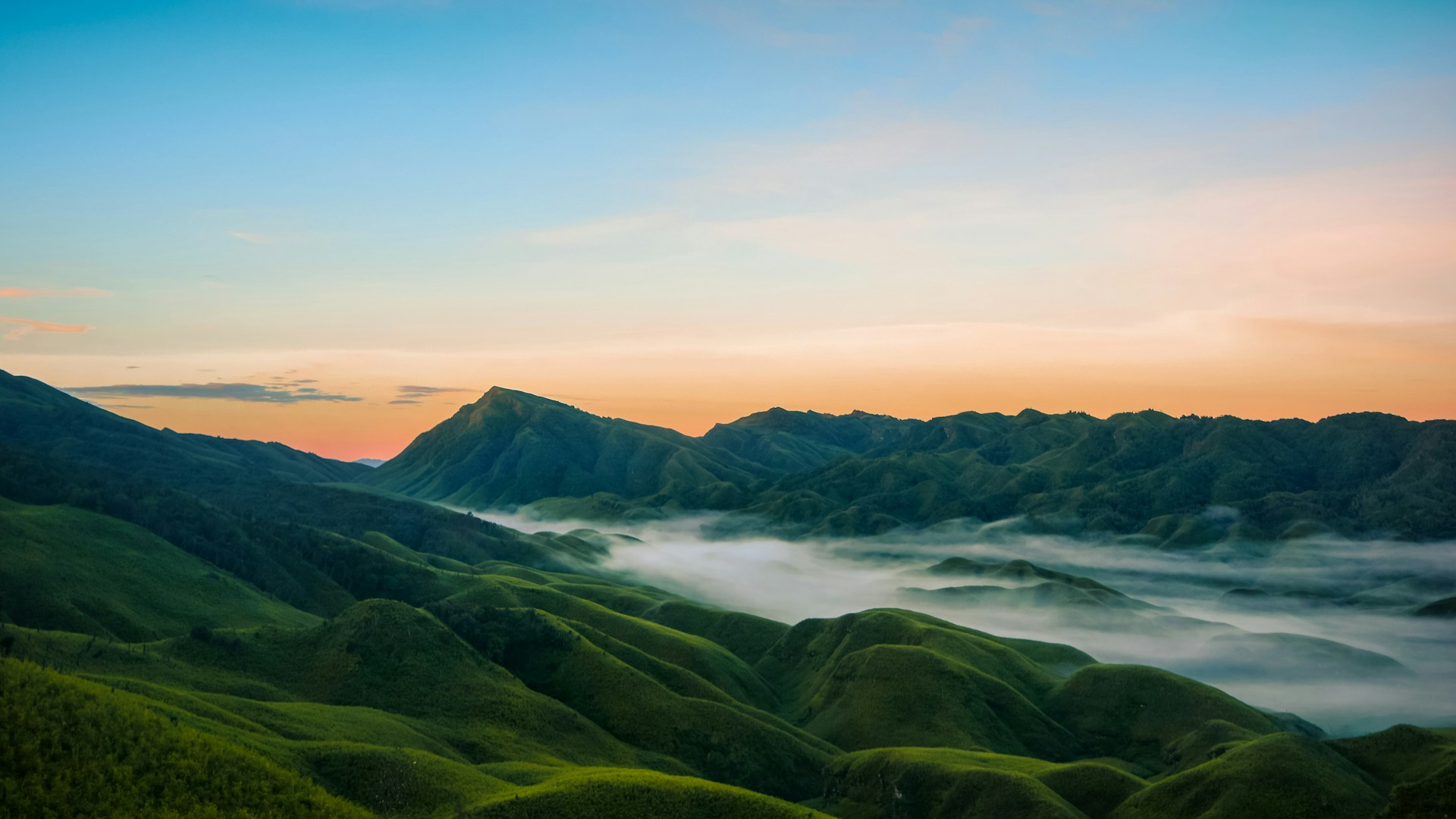
Often called the “Valley of Flowers of the Northeast,” Dzukou Valley is still surprisingly under-visited. Located on the border of Nagaland and Manipur, this destination comes alive in summer with rolling green hills and seasonal blooms.
The trek itself is the highlight. Starting from Viswema or Zakhama village, you hike through bamboo forests before reaching a vast open valley that feels almost surreal. Unlike Uttarakhand’s Valley of Flowers, this one is quieter and far less commercial.
Best for: Trekking, camping, photography
Why visit in summer: Pleasant weather and blooming landscapes
Also Read: 10 Offbeat Places In Northeast India You Must Visit In 2026
2. Mechuka – India’s Most Remote Valley
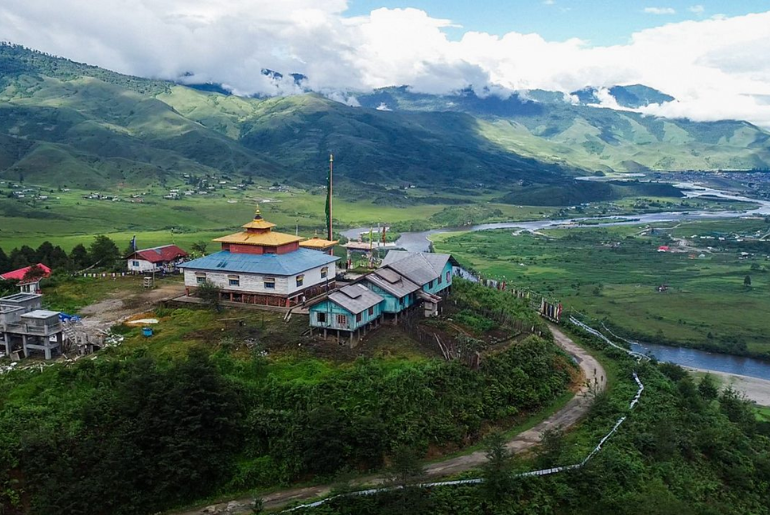
If you’re looking for a destination that still feels undiscovered in 2026, Mechuka is it. Located near the Indo-China border, this valley offers dramatic mountain views, wooden homes, and rivers cutting through vast open landscapes.
Tourism here is still developing, which means fewer hotels and more authentic stays with locals. It’s the kind of place where you disconnect completely.
Best for: Offbeat travel, culture, slow travel
Travel tip: Inner Line Permit (ILP) required
3. Majuli – World’s Largest River Island
Majuli is not just a destination, it’s a cultural experience. Sitting on the Brahmaputra River, it is the world’s largest river island and home to unique Assamese traditions and monasteries known as Satras.
Summer brings lush greenery and fewer crowds. You can cycle through villages, attend traditional performances, and stay in eco-friendly bamboo cottages.
Best for: Culture, slow travel, solo trips
Why it stands out: Rare mix of nature and living heritage
4. Ziro Valley – Where Culture Meets Calm
Ziro Valley has gained some attention in recent years, but it still feels untouched compared to mainstream hill stations. Known for the Apatani tribe and scenic rice fields, this destination is perfect if you want a peaceful summer escape.
The landscape is unique, with pine forests, bamboo houses, and terraced farming creating a postcard-like setting.
Best for: Cultural travel, nature walks
Budget tip: Homestays are affordable and more authentic
5. Loktak Lake – Floating Islands You Won’t Believe
Loktak Lake is unlike anything else in India. It is famous for its “phumdis,” floating masses of vegetation that form natural islands.
You can take boat rides across the lake and visit the Keibul Lamjao National Park, the world’s only floating national park. Summer offers clear skies and better visibility of the lake’s surreal patterns.
Best for: Photography, unique landscapes
Why it’s special: One of the most unusual ecosystems in India
Also Read: Awesome Places To Go Camping In Northeast India
6. Mawlyngbna – Meghalaya Beyond Cherrapunji
While tourists flock to Shillong and Cherrapunji, Mawlyngbna remains largely under the radar. This small village in Meghalaya offers fossil sites, hidden waterfalls, crystal-clear rivers, and guided nature walks.
It’s perfect if you want to experience Meghalaya without the crowds. The landscape turns especially vibrant in summer with light rainfall and greenery.
Best for: Eco-tourism, nature lovers
Local experience: Guided village walks and kayaking
7.Tawang – The Himalayan Gem
Tawang is not exactly unknown, but it still remains far less crowded than places like Manali or Leh. Sitting at over 10,000 feet, it offers monasteries, lakes, and dramatic mountain views.
The highlight is the Tawang Monastery, one of the largest in India. Summer is the best time to visit, as roads remain accessible and the weather is relatively pleasant.
Best for: Mountain views, monasteries, road trips
Travel note: Requires an ILP for Indian travellers
Why Northeast India Is Perfect For Summer Travel
Summer in Northeast India is very different from the rest of the country. Instead of extreme heat, you get cooler temperatures, misty landscapes, and occasional rain that turns everything lush green.
More importantly, most of these destinations are still not commercialised. That means:
- Fewer crowds
- More authentic local experiences
- Better value for money
Summing Up
Northeast India in 2026 is still one of the few regions where travel feels raw and real. Whether it’s trekking through valleys like Dzukou, exploring river islands like Majuli, or discovering remote towns like Mechuka, each destination offers something completely different.
If you are planning a summer trip and want to avoid the usual tourist chaos, this is your sign to explore the unexplored. Just remember to plan permits in advance, respect local cultures, and travel responsibly. Because in the Northeast, the real luxury is not five-star stays. It’s silence, space, and stories you won’t find anywhere else.


One Response