
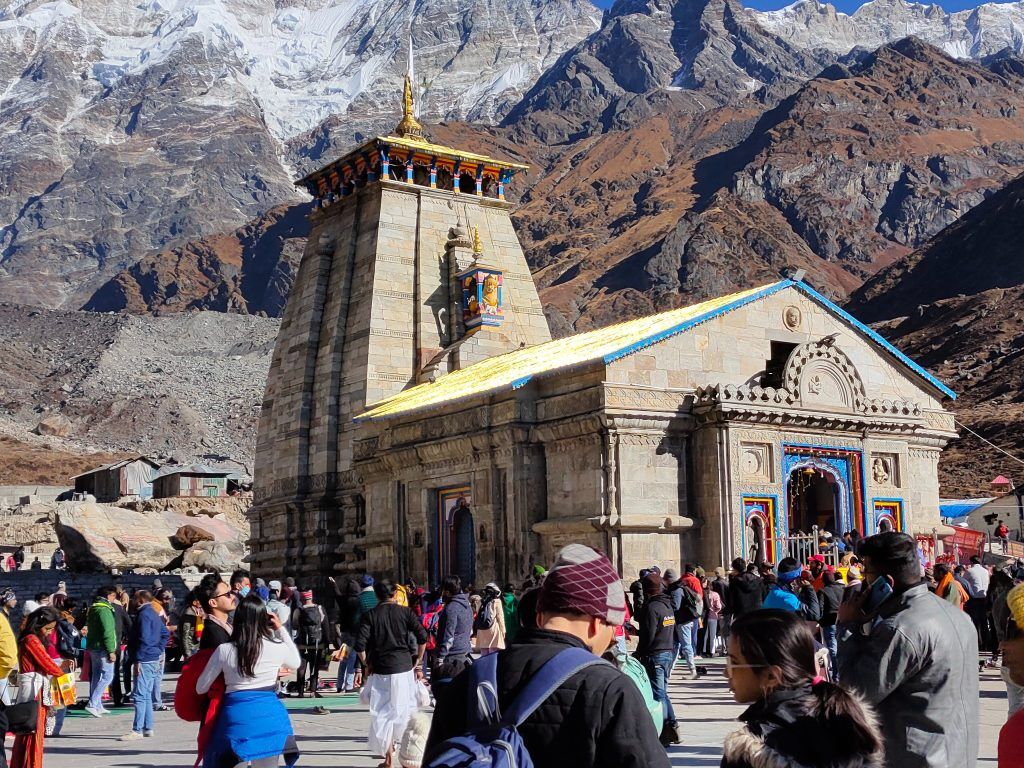
Kedarnath is renowned as one of the 12 Jyotirlingas dedicated to Lord Shiva and is the first of the Panch Kedar temples. The journey to Kedarnath offers a deeply spiritual experience, though it can be physically demanding due to the rugged terrain and high elevation. As the Kedarnath opening date for 2026 is set for April 22, lakhs of pilgrims are preparing for the trek. However, the thin air at these heights can be unforgiving. Understanding altitude sickness is vital for a safe and fulfilling pilgrimage.
Understanding the Heights: Kedarnath Altitude
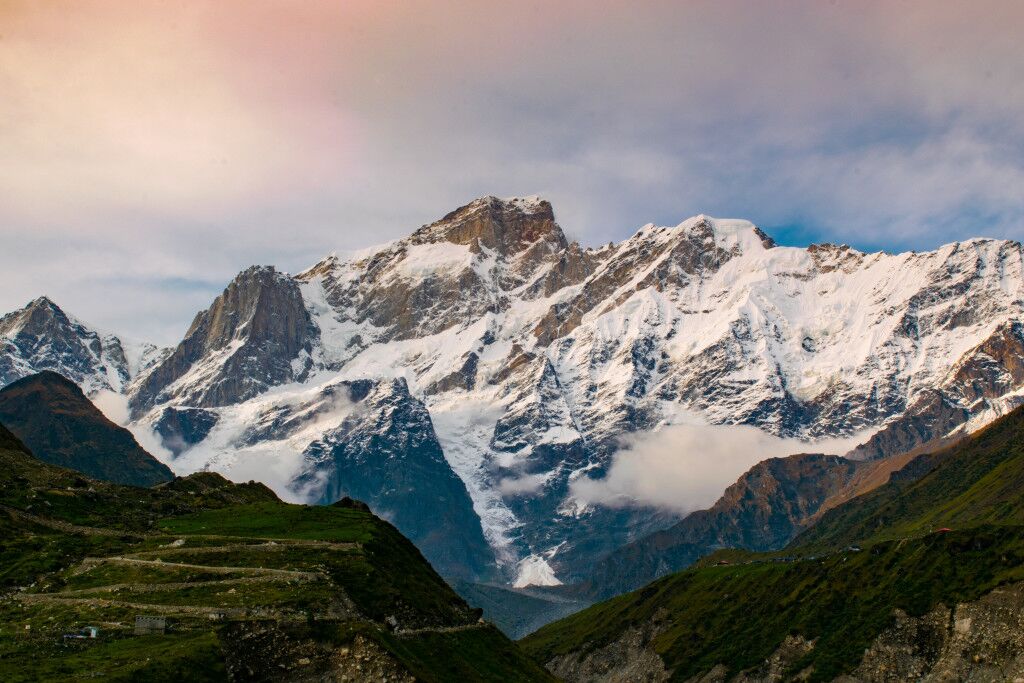
Kedarnath is situated at an impressive height of approximately 3,583 meters (11,755 ft). To put this in perspective, oxygen levels at this Kedarnath altitude are significantly lower than at sea level. This transition, especially during the 16 km trek from Gaurikund, can trigger Acute Mountain Sickness (AMS) if the body isn’t given time to adjust.
Signs of Altitude Sickness
Symptoms usually appear within 6 to 24 hours of reaching high altitudes. Watch out for:
- Mild: Persistent headache, nausea, dizziness, and loss of appetite.
- Moderate: Severe headache not relieved by medication, vomiting, and breathlessness even while resting.
- Severe (HAPE/HACE): Confusion, inability to walk in a straight line, blue tint on lips/nails, and extreme chest congestion. This is a medical emergency.
Is Chardham Safe For Heart Patients?
This is a common concern for many families. While Chardham is safe for heart patients in many cases, it requires strict medical clearance.
- Consultation: Always get a green light from your cardiologist. Many helicopter operators now require a medical fitness certificate.
- Helicopter vs. Trek: For those with cardiac concerns, a helicopter ride is highly recommended as it eliminates the intense physical strain of the trek.
- Stable Condition: Patients with recent surgeries (within 3–6 months) or unstable angina should generally avoid these altitudes.
Chardham Yatra for Elderly: Special Considerations
The Chardham Yatra for elderly pilgrims is a beautiful tradition, but age makes the body more susceptible to altitude sickness Chardham risks.
- Slow & Steady: Never rush the trek. If walking, take frequent breaks every 15–20 minutes.
- Oxygen Support: Carry small, portable oxygen canisters (Oxy-can) for immediate relief during bouts of breathlessness.
- Acclimatization: Spend an extra night at a mid-altitude point like Guptkashi or Rudraprayag before heading to the shrine.
Chardham Yatra Fitness Tips
To ensure your body can handle the trek, start preparing at least 8–12 weeks in advance:
- Cardio Foundation: Brisk walking for 45 minutes daily.
- Breathing Exercises: Practice Pranayama or deep diaphragmatic breathing to increase lung capacity.
- Simulated Climbs: If possible, walk on inclines or use stairs to strengthen your calves and quads.
- Hydration Habits: Train your body to drink 3–4 liters of water daily, as dehydration mimics and worsens AMS.
Essential Chardham Yatra Packing List
Being well-equipped is half the battle won. Here are the Kedarnath things to carry:
| Category | Must-Have Items |
| Clothing | Thermals, fleece jacket, waterproof poncho, woolen cap, and gloves. |
| Footwear | Broken-in trekking shoes with good grip and ankle support. |
| Medical Kit | ORS, Paracetamol, Diamox (after doctor’s advice), and personal prescriptions. |
| Gear | A sturdy walking stick, a power bank, and a 10L–20L daypack. |
| Nutrition | Energy bars, dry fruits (almonds/raisins), and glucose powder. |
Important Kedarnath Tips For 2026
- Registration: It is mandatory to register on the official Uttarakhand Tourism portal before your visit.
- Weather Watch: The weather near the temple is notoriously unpredictable; even in May, temperatures can drop to near zero at night.
- The Golden Rule: If symptoms of altitude sickness worsen, the only cure is immediate descent. Do not “push through” to reach the temple.
Summing Up
The trek to Kedarnath is as much a test of physical endurance as it is a journey of faith. By following these Chardham yatra fitness tips and keeping a close eye on the signs of altitude sickness, you ensure that your pilgrimage remains a memory of devotion rather than a medical crisis. Pack wisely, move slowly, and let the Himalayan air revitalize your spirit safely.