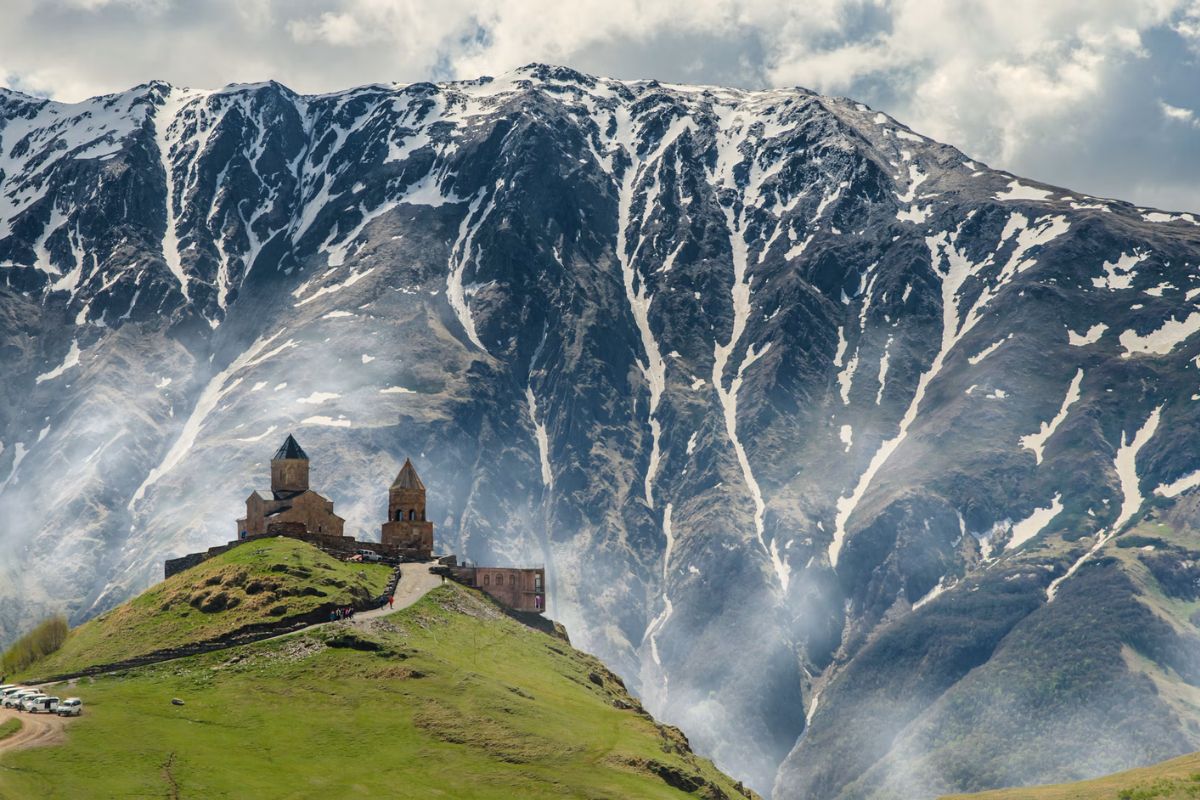

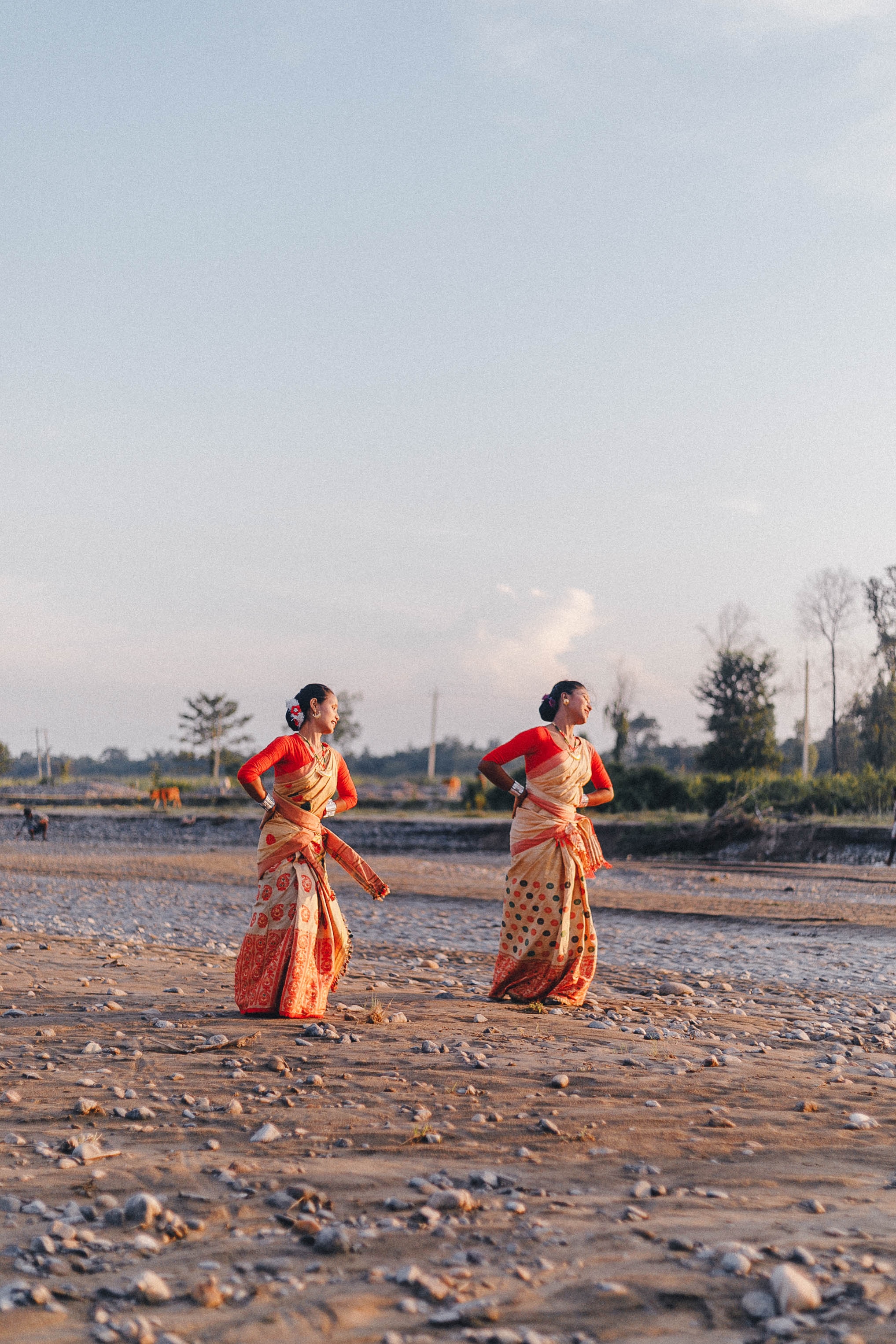
After understanding its history and the culture it represents, the next question is, where do I go to experience Bohag Bihu?
Well, while the festival carries the same meaning across Assam, the manner in which it is celebrated may differ from place to place. In some parts, it’s energetic and filled with large gatherings, whilst in others, it’s quieter, shaped by smaller traditions and everyday moments.
That’s what makes choosing where to celebrate Rongali Bihu so interesting; while the essence stays the same, the experience shifts.
Guwahati: Where the Celebration Feels Grand
Guwahati is where everything comes together. The city hosts some of the largest organized Bihu celebrations, with cultural programs, live performances, and community gatherings spread across multiple venues. Areas like Chandmari and Bihu pandals turn into the epicentre of music and dance.
Majuli: A Slower, More Cultural Experience
Celebrations in Majuli are tied to local communities and customs, often unfolding in open spaces and satras where music and dance feel more personal. As the world’s largest river island, it offers a more immersive way to experience the festival.
Sivasagar: Where History Meets Celebration
Once the capital of the Ahom kingdom, the town still honors that legacy. Bihu celebrations often take place near historic landmarks like Rang Ghar, adding a layer of cultural depth and history to the experience
Barpeta: A Blend of Devotion and Festivity
The celebrations are closely linked with spiritual spaces like namghars, while holding onto the traditional dance and music, they have a strong sense of devotion that helps shape the environment, thereby offering a slightly different perspective on Bihu.
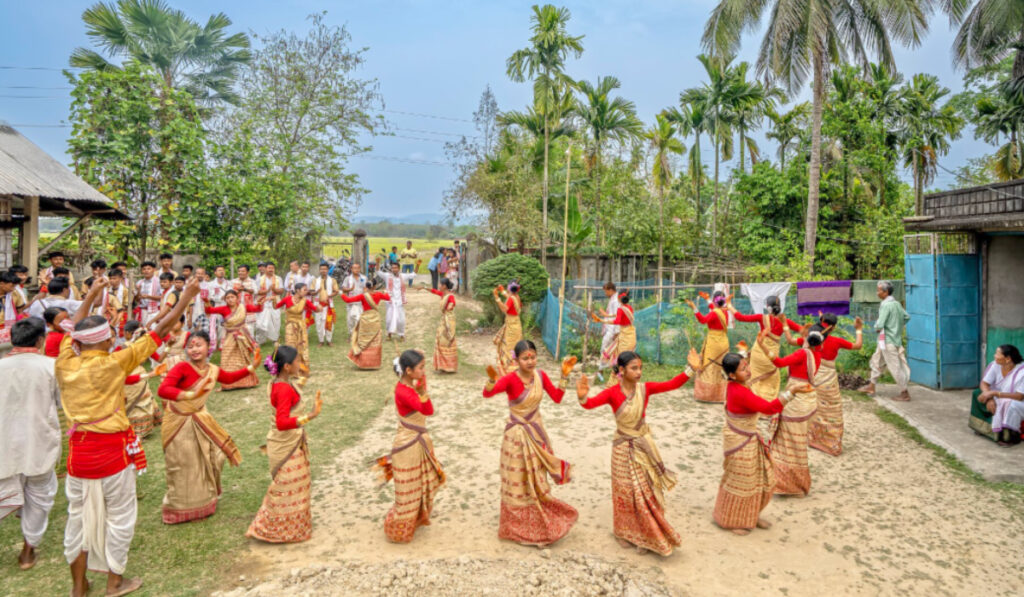
Nagaon and Rural Assam: The Most Authentic Experience
Some of the most meaningful Bihu celebrations happen away from cities, in regions like Nagaon. The entire community gathers for husori performances and shares meals, offering an experience that is extremely personal. Bihu feels it’s closest to its roots.
Why Where You Celebrate Matters
Rongali Bihu isn’t defined by its geographical location; in cities, it feels larger and more festive, and cultural hubs offer a more deeply rooted and expressive environment, whereas in villages, it feels personal and close to tradition
Summing Up
There’s no single way to experience Rongali Bihu in Assam. It depends on what you’re looking for: the energy of a city, the depth of a cultural space, or the simplicity of a village.
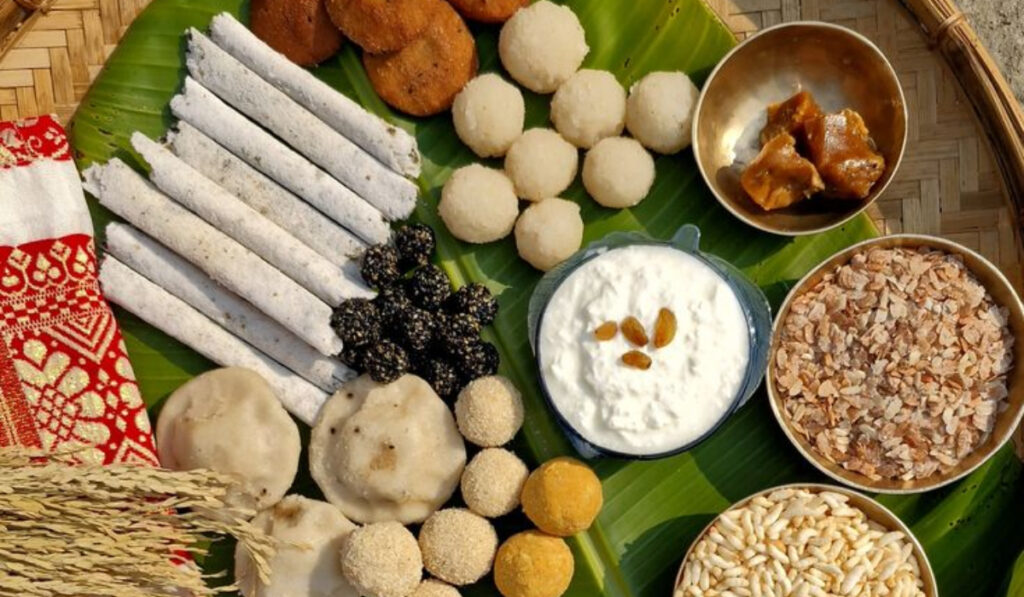
What stays constant is the feeling. Music in the background, familiar food, and a shared sense of beginning again, no matter where you are.