
Nomoshkar, Kemon achhen? (How are you?) and most importantly, Shubho Noboborsho
These are a few phrases you’ll hear across the streets of Kolkata during Poila Boishakh.
What Is Poila Boishakh?
Also known as Pahela Baishakh, marks the Bengali New Year and carries deep cultural and historical significance. It can trace its roots back to agricultural cycles and traditional calendars; the festival today reflects a mix of spirituality and community celebration. It is a day centered around togetherness, where people exchange greetings like “Shubho Noboborsho,” spend time with family and friends, and welcome the year with a sense of positivity and togetherness.
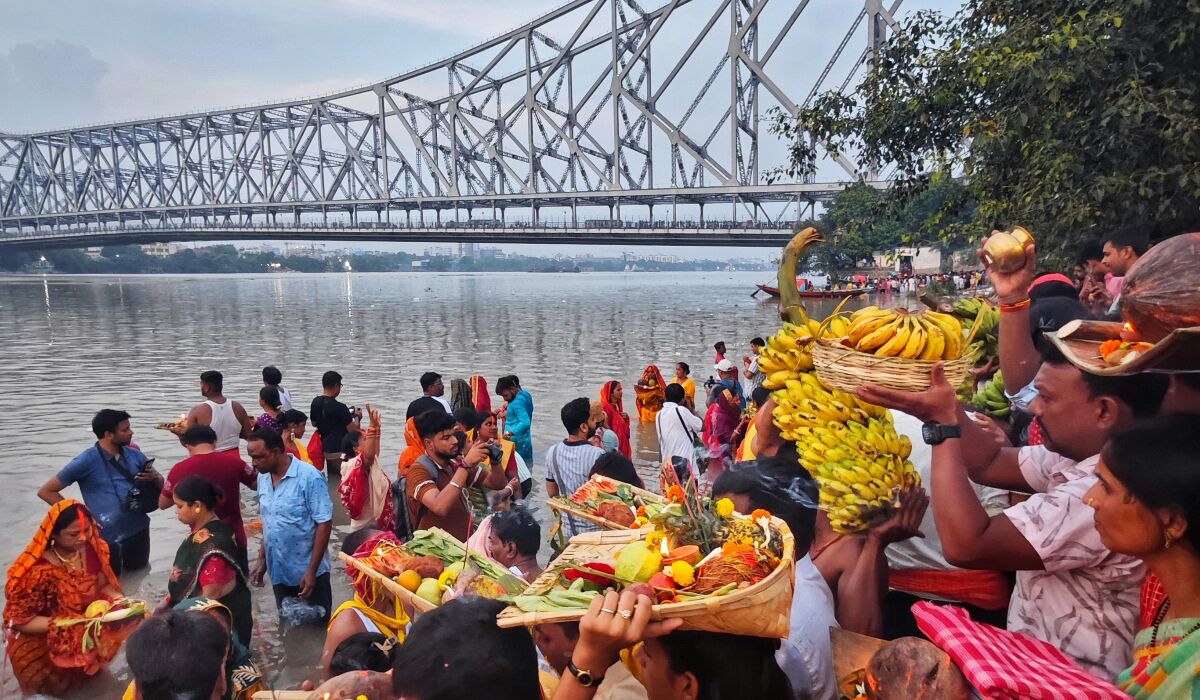
The city slows down just enough to notice the intricate details and designs across the city. Fresh flowers at doorways, people stepping out in crisp traditional wear, and a quiet sense that something new has begun.
When Is Poila Boishakh In 2026?
The date usually falls on April 14 or 15 each year and marks the beginning of the Bengali month of Boishakh. It is considered an auspicious time to
- Begin new ventures
- Set intentions for the year ahead
- Reconnect with traditions
How The Day Begins
Mornings on Poila Boishakh start early and with intention. People dress in traditional outfits, women are often seen in white sarees with red borders, while men wear kurta-pajamas. ‘Alpana’, a detailed pattern made with rice paste, is used to decorate homes, believed to invite prosperity.
The first half of the day is usually spent in rituals such as:
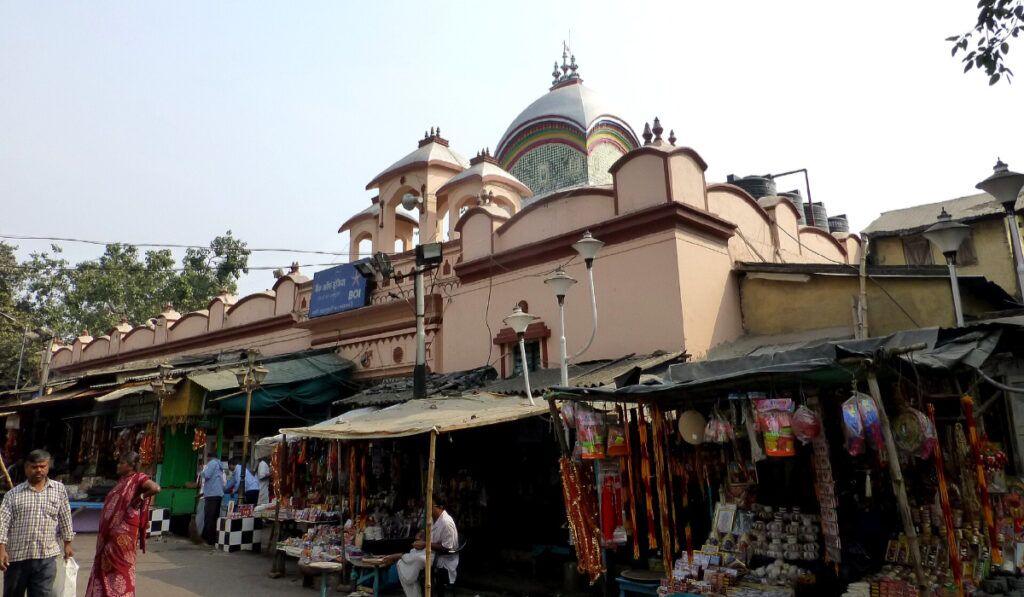
- Visiting temples like Kalighat for prayers
- Performing the Haal Khata ritual in businesses
- Offering sweets to mark new beginnings
Why Poila Boishakh Matters
Poila Boishakh is about renewal. As most traditional New Year’s signify, it marks a new beginning, not just on the calendar but in mindset. It is a time when families can reconnect, share in tradition and history, and start the new year with clarity and intent. The festival also reflects Bengal’s cultural identity through its music, rituals, and shared experiences.
The Food That Defines The Day
Food plays a central role in the celebration and is often the highlight of the day, a traditional Bengali meal includes a mix of flavors and textures, with dishes such as,
- Luchi and Chana Dal
- Shukto and Begun Bhaja
- Kosha Mangsho or Macher Kaalia
Shorshe Ilish, a hilsa fish cooked with mustard gravy, often considered essential during the festival, is one of the most iconic dishes prepared during Poila Boishakh. Bengali traditions are also reflected in the choice of dessert, with Misthi Doi, Payesh, and Malpua among the most popular dishes prepared for the festival.
It goes beyond just indulgence, but is a celebration of tradition, comfort, and sharing.

Best Events In Kolkata For Poila Boishakh 2026
From dawn till dusk and beyond, Kolkata shifts into celebration mode. The city hosts a variety of cultural events,
- Rabindra Sangeet performances
- Folk music and dance programs
- Boishakhi Melas with food stalls and handicrafts
Cultural hubs like Rabindra Sadan and Nandan become focal points for performances throughout the day. Restaurants and hotels design festive menus to reflect the culture and tradition, making dining a key part of the experience. Other popular activities include Baul music performances and a river cruise on the Hooghly.
Must-Visit Places In Kolkata During Poila Boishakh
- Kalighat Temple for early morning prayers
- Gariahat and College Street for festive shopping and street energy
- Rabindra Sadan and Nandan for cultural performances
If you’re walking through Northern Kolkata, you will get a chance to see traditional homes and communities that for generations have celebrated Poila Boishakh in the most unchanged and authentic manner.
Summing Up
Poila Boishakh is not just a singular event; it spreads across multiple customs, traditions, and foods, each one culminating in meaningful moments with your family and friends. From the first rays of the sun, from morning rituals to vibrant and colourful celebrations. Poila Boishakh brings together tradition, food, and the entire community in a manner that feels collective, collaborative, and personal.
If you want to experience Kolkata at its most authentic, this is the time to be here.