
Baisakhi, also known as Vaisakhi, is celebrated with great fervor and enthusiasm by the Sikh community in the northern state of Punjab. This year, the festival will be celebrated on April 14, 2026. The Vaisakhi Sankranti will take place at 9:39 AM. While many people think it is just a harvest festival, it actually holds a lot of religious, historical, and cultural significance. This day actually marks the foundation of the Khalsa Panth in 1699 by Guru Gobind Singh. Here’s everything you must know about Baisakhi.
What Is Baisakhi?
Baisakhi is generally celebrated annually on April 13 or 14 as a harvest festival. It also marks the beginning of the Punjabi New Year or the Sikh New Year. It is basically the celebration of a new season, new beginnings, new ideas, and new goals for the upcoming year. They express their gratitude to God and seek forgiveness and abundance. It was also a turning point in the history of the Sikh people as it marked the birth of a collective identity.
Khalsa Panth History
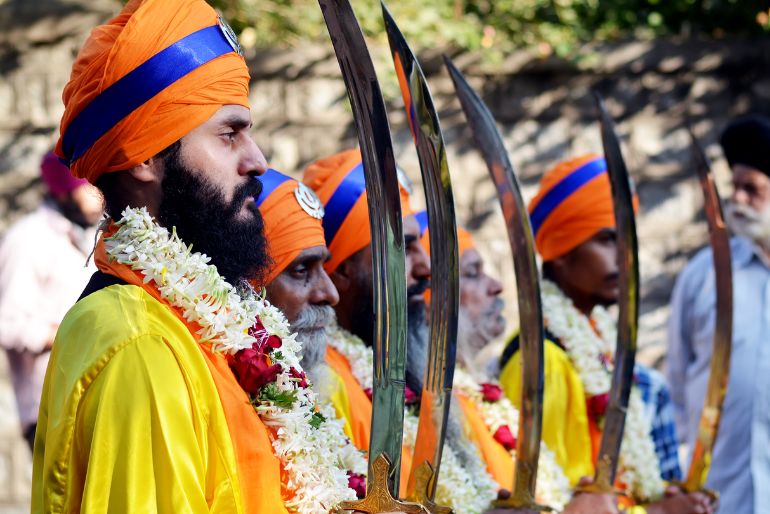
During the late 17th century, Sikhs faced persecution under the Mughal rule. This was particularly during the rule of Aurangzeb. This led to the need for a unified and strong community to face this persecution. Guru Gobind Singh envisioned a disciplined and fearless Sikh community. So to define the future of the Sikh community, he assembled a massive gathering at Anandpur Sahib.
He called for volunteers who would fearlessly sacrifice their lives for faith. Five men stepped forward and offered their lives, who were later called Panj Pyare. Guru Gobind Singh initiated the Khalsa through Amrit Sanchar, a sacred ceremony. The Khalsa Path was launched with some core principles:
- No caste discrimination
- Commitment to service
- Equality among all humans
- Commitment to justice
The members also had to follow five physical symbols of faith, which are known as the five Ks of Khalsa.
- Kesh (uncut hair)
- Kara (steel bracelet)
- Kangha (wooden comb)
- Kachera (cotton undergarment)
- Kirpan (ceremonial sword)
Baisakhi Significance For Sikhs
Baisakhi is an important festival for the entire Sikh community. This is because the creation of the Khalsa took place on this day. This creation gave Sikhs a sense of unity as well as a distinct identity, which is continued even today.
With the physical symbols of faith or the five Ks of Khalsa, the Sikhs got a distinct identity. The community got introduced to a sense of spiritual discipline as well as encouraged devotion, equality, and courage.
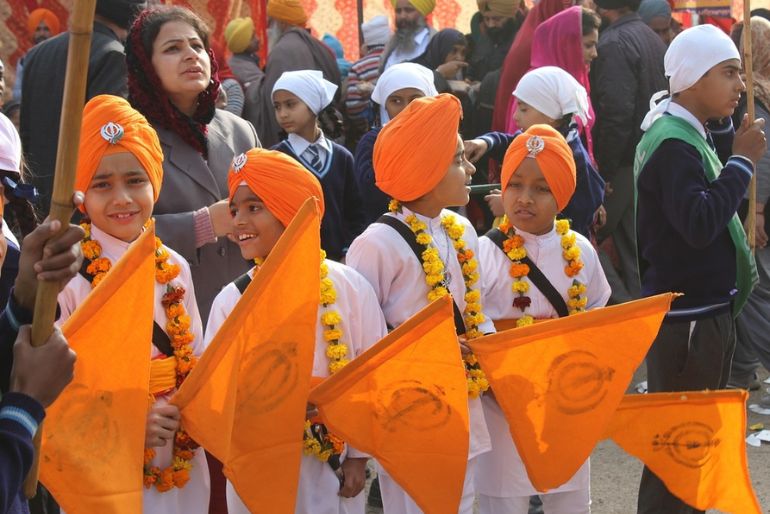
On this day sikhs visit Gurudwaras and offer their prayers. They also indulge in community meals or Langar, as they call it, as well as participate in processions. The festival is more like a reminder of the enduring Khalsa principles and spiritual renewal, making it a very deeply rooted occasion for the Sikhs.
Celebrations of Baisakhi
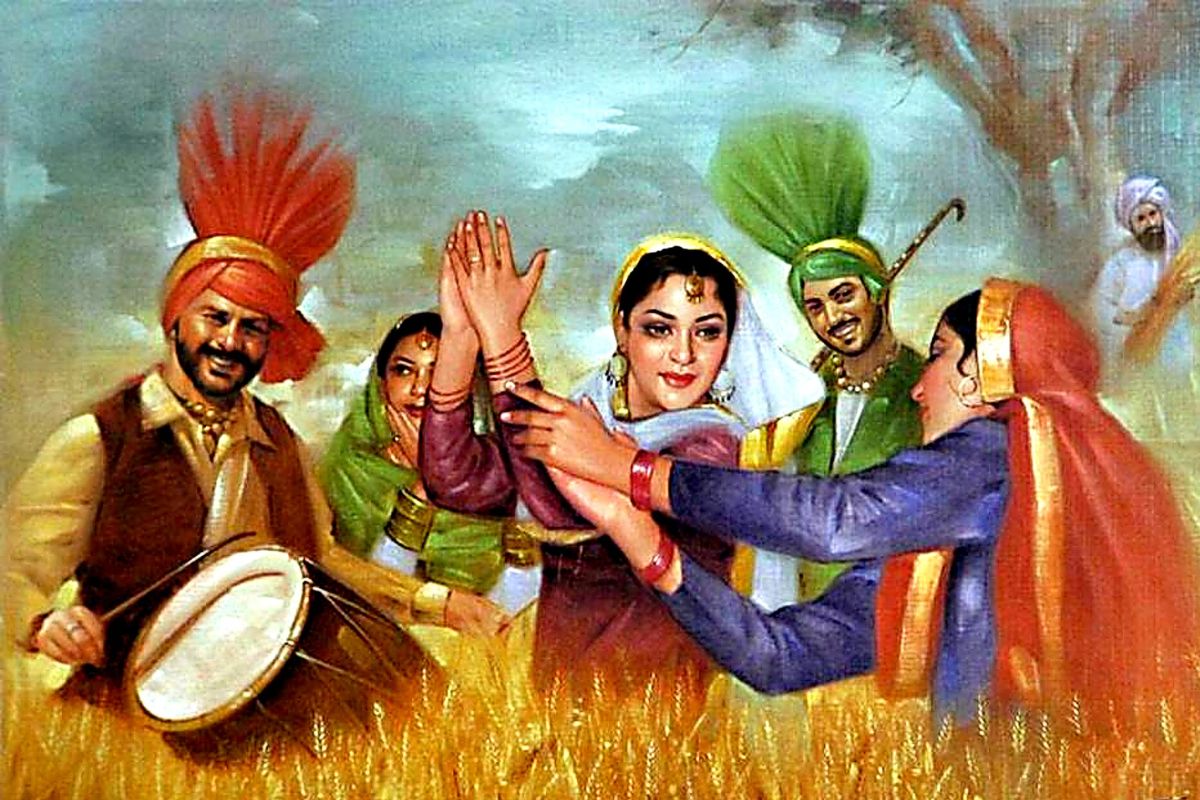
People celebrate Baisakhi with great happiness and enthusiasm across Punjab. The celebrations include folk dances and music, including gidda and bhangra. There are colorful and vibrant processions across the state.
All the sikhs visit the Gurudwara, relish the special temple meal known as langar, and also take part in devotional singing or nagar kirtan. Farmers celebrate this day as a harvest festival and hence participate in cultural shows and fairs. This is to show appreciation and gratefulness for the abundant harvest.
Baisakhi is known to teach the value of righteousness. It encourages unity and equality and asks people to engage in selfless service for humanity. This festival teaches everyone to show gratitude to god and the beautiful nature. Baisakhi asks us to follow spiritual discipline by taking time out from our busy lives.
Summing Up
Baisakhi not only marks a new year celebration but is also teh day when the Khalsa Panth of the Sikhs was established. The day is very important for Sikhism with the introduction of the Khalsa Panth.