
The month of Chaitra is considered to be the first month of the Hindu New Year. Chaitra Navratri, the Navratri that occurs in this month, is considered to be one of the first festivals in the Hindu new year and therefore, considered auspicious. In 2026, it will take place from March 19 to March 27.
As part of this nine-day celebration, devotees offer prayers and take part in charity, but the most striking aspect of the festival is the fasting. Devotees observe fasts as a form of devotion, purification, and sacrifice. In this article, let’s take a look at the fasting ritual involved in celebrating Chaitra Navratri, including what foods to eat, which ones to avoid, and more.
What To Eat During Chaitra Navratri Fast: A Complete Guide
Fasting As Per Hindu Traditions
Originating in Sanskrit and widely used in Hindi, Marathi, and other languages, fasting is called ‘vrat’ or ‘upvaas’. It is an act of maintaining physical and spiritual discipline by limiting or avoiding food consumption, practicing spiritual cleansing, and engaging in meditative practices.
A vrat or an upvaas is not just about fasting; it is also about engaging in spiritual and meditative practices to help sharpen the body and the mind.
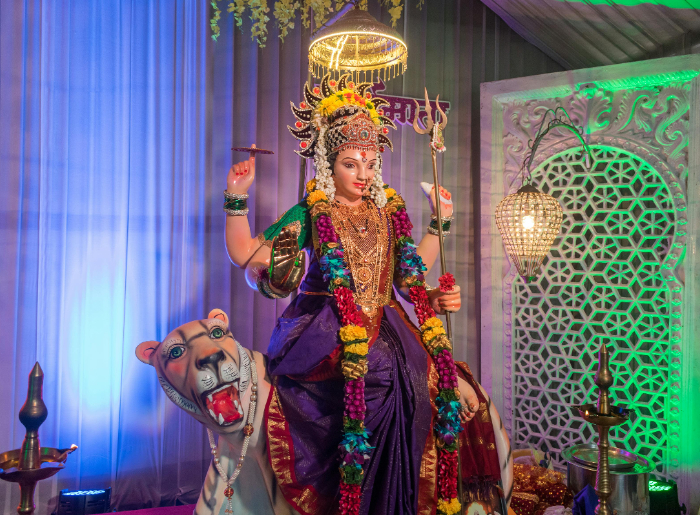
Fasting forms an essential part of many Hindu festivals. However, in addition to festivals, many practising Hindus observe fasts on specific days (such as all Mondays). This is to pay respects, offer prayers, and seek blessings from the Hindu deity associated with that particular day. Apart from that, fasting is a part of the wedding rituals in some Hindu wedding traditions.
Types Of Fasts
Typically, these are the most common forms of fasting as per Hinduism:
- Nirjala Vrat: The strictest form of fasting. The individual consumes neither food nor water for the entire day(s).
- Phalahar Vrat: This type of fasting includes consuming only fruits throughout the day.
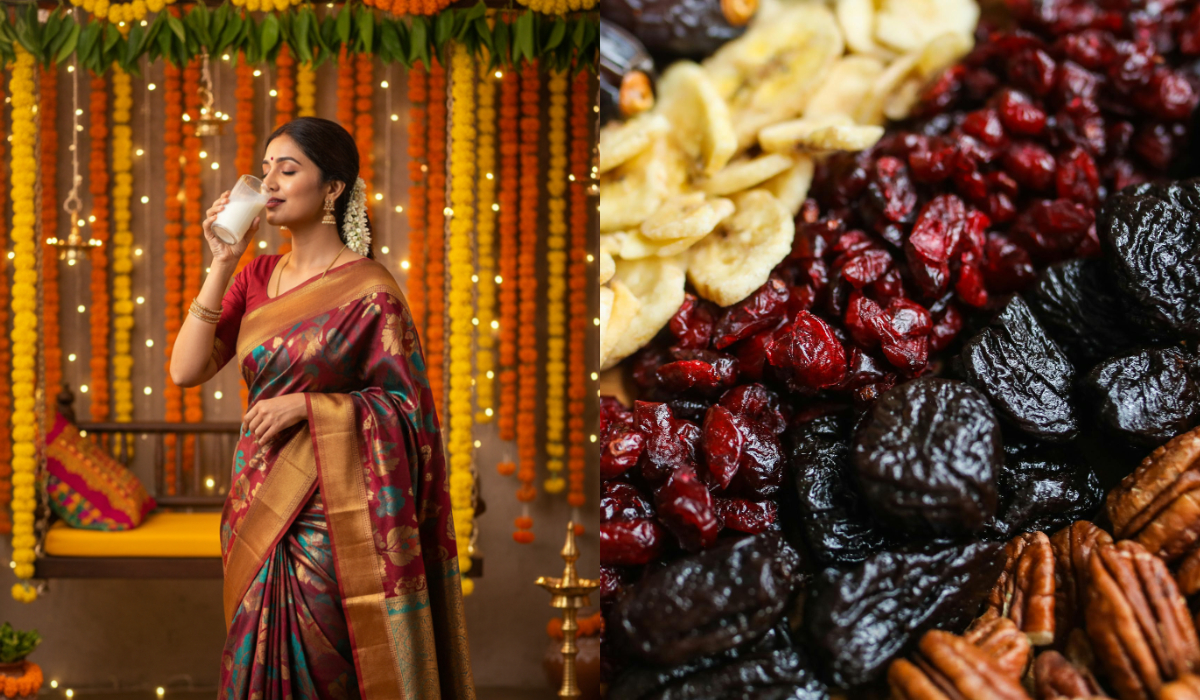
- Ksheerbhoji Vrat: Fasting where individuals consume milk and milk products only.
- Ekahaar Vrat: As the name suggests, individuals only consume one meal of the day, as long as the ingredients are fast-friendly.
- Multiple-day Vrats: Fasting that lasts for two or more days, usually starting after sunrise on the first day and ending after sunset on the last day.
Chaitra Navratri Fasting Diet
The food permitted to be consumed during fasting is usually the same for all kinds of festivals and occasions. Here are some common foods you can eat during fasting, including the Chaitra Navratri fasting.
Fruits and fresh fruit juices
Individuals can consume almost all kinds of fruits during the fasting period, whether it is apples, bananas, pomegranates, watermelon, grapes, etc.
They’re also allowed to consume fresh fruit juices without sugar or other additives. Coconut water is also a great option!
Milk and dairy products
One can consume milk and milk products like buttermilk, yogurt, paneer, and lassi. These are excellent sources of protein and calcium.
Dried nuts
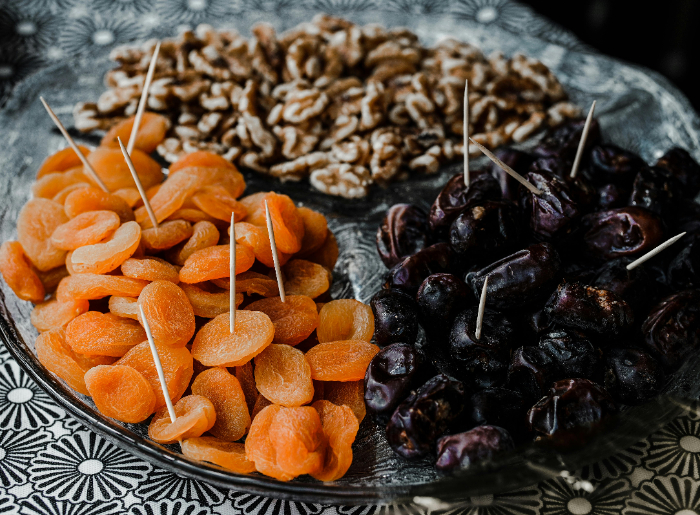
It is completely fine to consume all kinds of dried nuts like almonds, cashews, pistachios, walnuts, and more during a fast. They are a great source of a number of essential nutrients and give the body energy.
Sabudana (tapioca)
Sabudana is considered to be an excellent source of carbohydrates, helping energize the body and keeping you full. You can consume sabudana khichdi, sabudana vada, or sabudana kheer, along with other dishes made of sabudana.
Singhara (water chestnut) flour
Singhara flour is considered appropriate for consumption during a fast. You can make a variety of dishes like singhara kachori, singhara paratha, and singhara halwa!
Root vegetables
Root vegetables like yams, sweet potatoes, etc., are permissible during a fast. The best way to have them is to boil or roast them and then season with salt and pepper.
Also Read: Songkran Festival Thailand 2026: Dates, Best Cities To Celebrate & Travel Tips For Indians
What To Avoid During A Fast?
When observing a fast, certain items should not be consumed to maintain the purity of the ritual. These are as mentioned below:
Meat and eggs
Consuming non-vegetarian food is strictly forbidden during a fast. As this food is considered spiritually impure, one must not consume it during the vrat.
Grains and cereals
Rice, wheat, barley, and other common grains must not be consumed during a fast. Cereals and pulses should also not be consumed.
Onion and garlic
As per ancient Hindu traditions, onions and garlic are considered impure and must not be added to any dish prepared for consumption during a fast.
Regular salt
The common table salt that we use in our day-to-day food must not be consumed during a fast. One can either avoid salt completely or use pink salt or rock salt.
Alcohol and caffeine
Alcohol and caffeine are substances believed to disrupt the positive spiritual energy and the purity of the fast. This is why they must not be consumed during a fast.
Chaitra Navratri Fasting Tips
- Hydrate well: Consume plenty of water, coconut water, and fruit juices to stay hydrated through the day.
- Avoid going out or physical exertion: Avoid going out in the harsh sun, and try not to physically exhaust yourself. It can drain your energy way faster and make you feel tired.
- Eat smaller meals: Keep consuming small portions of fruits, sabudana, milk, etc., throughout the day to keep yourself energized, except when you’re observing a Nirjala vrat.
- Rest and meditate: Ensure you are resting enough. Meditate, offer prayers, and stay spiritually calm.
Also Read: 5 Best Places To Celebrate Navratri In India
Summing Up
Chaitra Navratri is one of the first festivals to be celebrated as per the Hindu calendar. During these nine days, one can observe fasts to maintain discipline of the body and the mind. In this article, we’ve guided you through the different types of fasts, things to eat and avoid, and essential tips to follow during a fast.