
A celebration primarily by the women for the long life of their husbands, the Gangaur Festival is one of the most vibrant festivals in North India. The festival will be celebrated on March 21, 2026, with celebrations starting usually after Holi. It is a coveted celebration particularly in Rajasthan, in the Hindu month of Chaitra. Here is a complete guide to the Gangaur Festival 2026, including its history, significance, and celebrations.
Gangaur Festival 2026: History, Significance, And Celebrations
History Of Gangaur
The name of the festival derives from ‘Gana’ (Lord Shiva) and ‘Gaur’ (Goddess Parvati) and is dedicated to the union between Lord Shiva-Parvati.
The festival has its roots in the medieval period, dating back over 400 years, marking the end of winter and the beginning of spring. It takes place for 16 to 18 days, with the festival duration concluding with the popular Gangaur Pooja.
Legends say that the festival was started by the Queen of Mewar, Rani Veeravati. An ardent devotee of Goddess Gauri, she started the festival for a happy married life. The festival soon became popular across Rajasthan and is widely celebrated in the state today.
Gangaur Dates 2026
- Gangaur Puja: Saturday, March 21, 2026
- Trirtiya Tithi begins: March 21, 2:30 PM
- Tritiya Tithi ends: March 21, 11:56 PM
Also Read: Rajasthan International Film Festival Returns To Jodhpur On Jan 31 – Here’s What To Expect
How Is Gangaur Celebrated In Rajasthan?
The festival is celebrated for about 16 to 18 days, with the first 16 days dedicated to Goddess Gauri and the last two days dedicated to Lord Shiva.
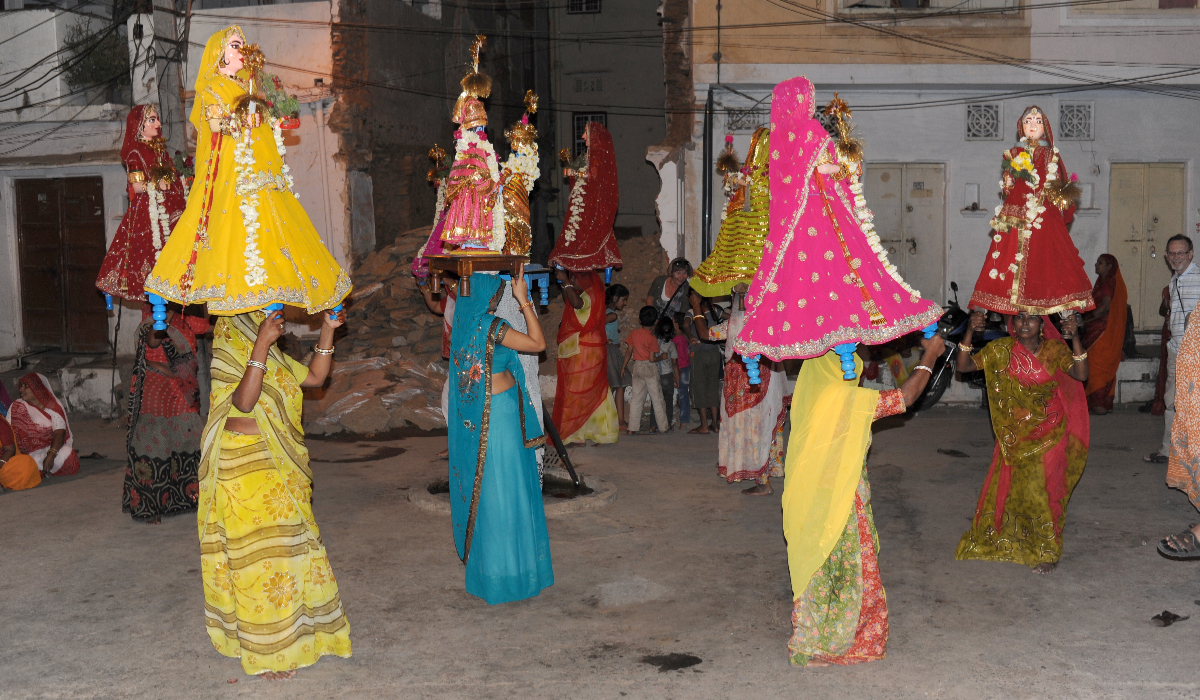
It is celebrated mainly by women and girls. During the festival, women and girls dress up in traditional clothes and adorn their hands with henna designs. They carry earthen pots filled with water and adorn them with flowers, symbolic of the divine feminine energy of Goddess Gauri.
Women, during the duration of the festival, offer prayers to the goddess and sing devotional songs. They perform traditional dances like Ghoomar and organize a number of other cultural events.
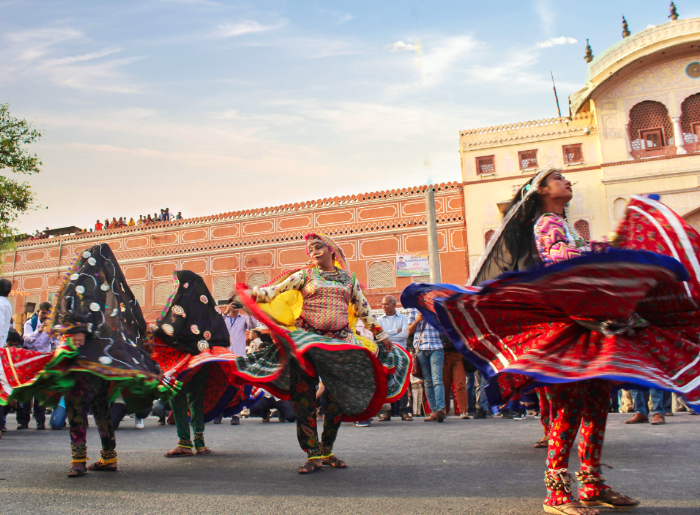
They also fast on specific days for a prosperous married life and pray for the long life of their husbands. On other days, they usually have just one meal a day; however, it is devoid of cereals and consists of milk, fruits, juices, and ‘ghevar’. The festival is symbolic of the love, devotion, and the eternal bond between a husband and wife.
Rituals Of Gangaur Festival To Look Forward To
- Mehendi Celebrations: Women engage in elaborate ceremonies where they apply henna and draw intricate mehendi on each other’s hands.
- Gangaur Pooja: Many homes and temples observe a Gangaur Pooja to offer prayers to Lord Shiva and Goddess Gauri. The pooja is often led by women and is organized for prosperity and a happy married life.
- Gangaur Procession: The festival concludes with grand Gangaur processions across many cities and towns in Rajasthan. Women carry decorated idols of Shiva and Gauri throughout the city and immerse them in a water body on the final day. You must visit cities like Jaipur, Udaipur, Jodhpur, and Bikaner to get a first-hand experience of these processions.
- Cultural Performances: During the Gangaur Festival, local communities organize a number of cultural performances. This includes events like folk dances, devotional music performances, camel parades, and more.
Also Read: What Are The Best Winter Road Trips to Take From Jaipur? Routes, Distance & Travel Time
Best Places To Experience Gangaur Festival In Rajasthan
- Jaipur: Visit places like City Palace, the streets around Tripolia Gate, Chhoti Chaupar, and Gangauri Bazaar. The city is one of the best destinations to get a first-hand experience of the festival, and that too on a grand scale.
- Udaipur: The ‘City of Lakes’ is known for its vibrant Gangaur celebrations. Make sure you visit places like the City Palace, Gangaur Ghat, and the iconic Pichola Lake for the best views of the festival processions.
- Bikaner: The city celebrates a more traditional Gangaur Festival, best experienced through grand parades from Junagarh Fort.
- Jodhpur: The ‘Blue City’ has its own version of Gangaur called ‘Dhinga Gavar’ involving grand processions. Idols are decorated and paraded through the old city, and idols are placed at 11 important spots here.
Tips To Enjoy Gangaur Festival In Rajasthan
- Plan your itinerary in advance, especially if you plan to visit numerous destinations in Rajasthan. Book your flight/train tickets and accommodation in advance as well.
- Connect with tour guides and any local friends you know to get a more ‘local’ and ‘insider’ perspective of the festival.
- Carry essentials like a water bottle, a power bank, a few light snacks, and other items if you plan to travel and explore within a city or cities.
- Stay hydrated throughout your journey. The month of March is usually quite hot in Rajasthan. Carry sunscreen and stay hydrated to protect yourself from the damaging heat!
- Wear modest clothing when visiting temples and observing processions and cultural activities. This is to show respect to the tradition of the festival.
Summing Up
The Gangaur Festival of Rajasthan is one of the most anticipated and celebrated festivals in the state. A symbolic celebration of the divine union of Shiva and Gauri, women observe fasts, engage in spiritual cleansing, and pray for a prosperous married life. If you’re in Rajasthan during March-April, you must definitely witness the grand celebrations of the Gangaur Festival.