
Mumbai’s art scene has been rapidly growing and evolving since its inception. It is home to some of the oldest and most renowned galleries, such as Jehangir Art Gallery, Chemould Prescott Road, and the National Gallery of Modern Art (NGMA), among others. With over 100 galleries now, Mumbai stands out as India’s top art city, rivaling Delhi, thanks to its endless exhibitions and accessible murals. These galleries not only bring pride to the city but also provide new artists with a platform to express themselves and showcase their work. And this unstumbled article, let’s explore the story of one of Mumbai’s oldest galleries, Chemould Prescott Road.
Origin Of One of The Oldest Galleries In Mumbai: Chemould Prescott Road
Mumbai’s Chemould Prescott Road began in 1941 as a simple framing shop known as “Chemould Frames.” Young Kekoo Gandhy, unable to return to college abroad due to World War II, teamed up with a Belgian friend to create picture frames from a godown on Princess Street.
Artists like M.F. Husain (known for Mother Teresa, British Raj motifs) and F.N. Souza (Birth and Head Of a Man) would visit the shop to frame their new paintings. They would engage in conversation with Kekoo and display their artwork on his walls, as they lacked a venue to showcase their art. This casual setup gradually evolved into a vibrant art hotspot.
By 1963, Kekoo and his wife Khorshed opened Gallery Chemould on the first floor of the Jehangir Art Gallery with assistance from Sir Cowasji Jehangir. Although the construction took a long time to complete, the gallery soon established itself as Mumbai’s first major contemporary art venue. Today, it is run by Kekoo’s daughter, Shireen Gandhy, and her daughter. The gallery has become legendary for its blend of modern Indian art and global influences, fueled by a deep passion for the arts.
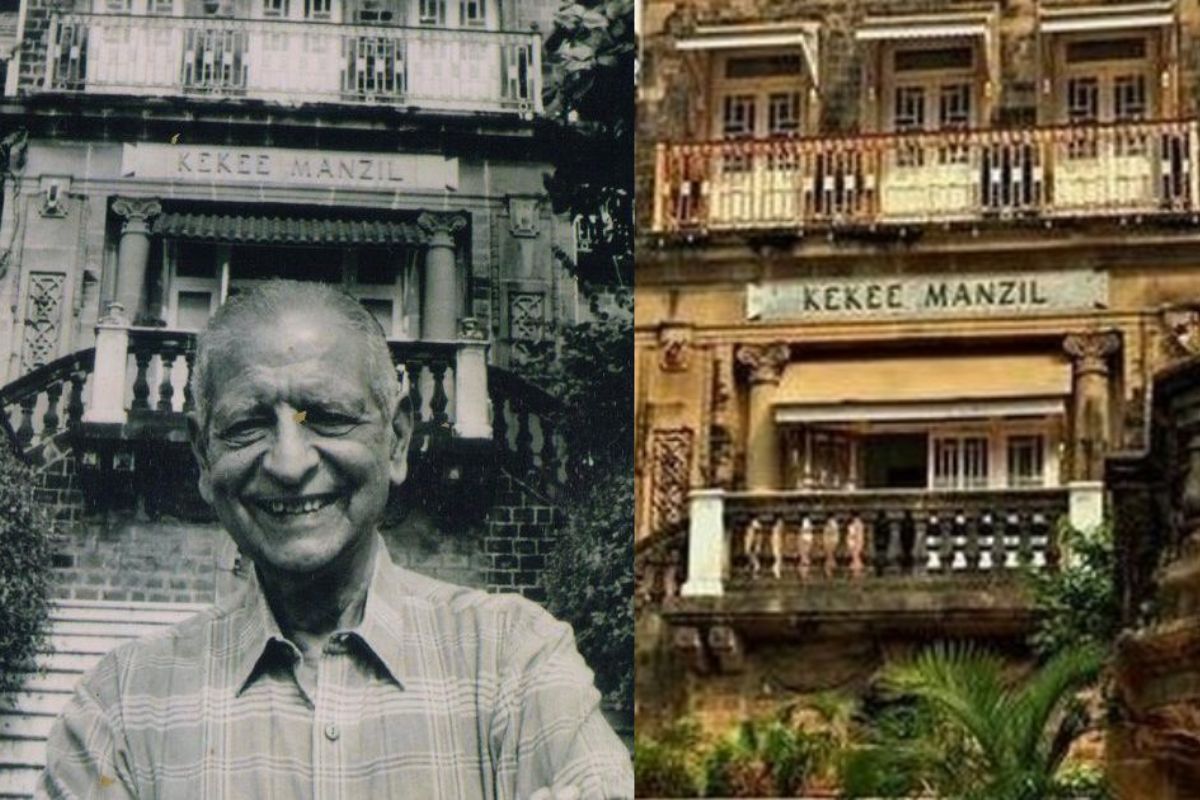
Kekee Manzil: The House Of Art
Kekoo Gandhy soon became an influential Mumbai-based gallerist and was also founder of Chemould Frames. Today he is known as the evangelist for Indian modern art who actually opened doors of success for many Indian artists in Mumbai.
Marking Kekoo Gandhy’s contributions as a catalyst for modern art and artists, as well as for establishing Mumbai’s art scene, his daughter, Behroze Gandhy, released a documentary titled “Kekee Manzil: The House of Art.” This 93-minute film documents the life of Kekoo Gandhy and was launched in celebration of his birth centenary. Behroze chose to honor her parents’ pioneering legacy in India’s modern art scene on this significant occasion.
The documentary on Kekoo Gandhy named, “Kekee Manzil: The House Of Art” is directed by Dilesh Korya and produced By Behroze gandhy. It explores the life of Kekoo gandhy, founding of Chemould Frames, the establishing of Chemould Gallery, and how Kekoo and Khorshed turned their home into Bombay’s art hub through the Emergency and Babri riots.
It is more than a compilation of all the videos that Behroze began to shoot in 2002. The documentary also features 2002 family interviews, rare 8mm footage, and artist insights (Raza, Anish Kapoor). It also holds stories of the rise and fall of many artists like M.F. Hussain, Tyeb Mehta and others.
Summing Up
Kekee Manzil: House of Art is a heartfelt 90-minute documentary by Behroze Gandhy about her father Kekoo Gandhy, who established the modern Indian art scene in Mumbai from his little frame store.