
When you think of Holi, most people rave about Holi festivities mostly in urban centers like Mumbai, Delhi, etc. However, there is a unique kind of Holi celebrated in the Himalayas called Sangla Holi. The Sangla Valley drapes itself in vibrant colors each year during the festival of Holi. Situated in Kinnaur, Himachal Pradesh, Sangla Holi 2026 is one experience that is unlike anything else. In 2026, Sangla Holi will take place from 3rd March to 4th March and is also known as the ‘Fagli’ or ‘Faguli’ festival. In this guide, we’ll give you all the details about Sangla Holi – including dates, locations, and other information.
Sangla Holi 2026: Venue, Dates, Locations, Celebrations, Etc
Sangla Holi 2026
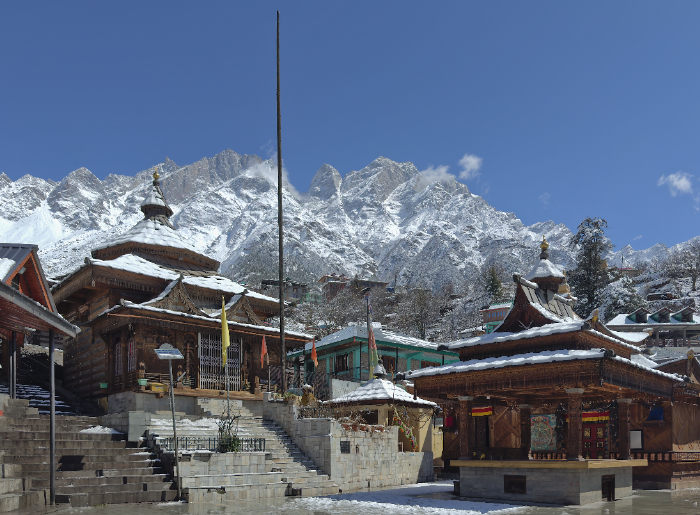
Amidst the secluded, snow-capped peaks of the Himalayas, the Sangla Valley borders the Spiti and Shimla districts. The valley stands at an elevation of 8,900 ft above sea level. Unlike traditional Holi festivities, Sangla Holi incorporates elements of snow and folk culture that dates back to centuries.
The festival is known as the ‘Faguli’ or ‘Fagli’ festival and is a lively celebration of colors, traditions, and unique customs. While Faguli is celebrated for four days, festivities begin much earlier, almost a week ago. In 2026, the festival will be celebrated on 3rd and 4th March.
Also Read: Indonesia Bans Elephant Rides; Becomes The First Asian Country To Do So!
How Is Sangla Holi Celebrated?
The Holi festivities begin about a week before the actual day of the Holi. During Sangla Holi, the Totu holds special importance. It is a dish made from buttermilk and roasted barley flour and is made as a special offering to the villagers.
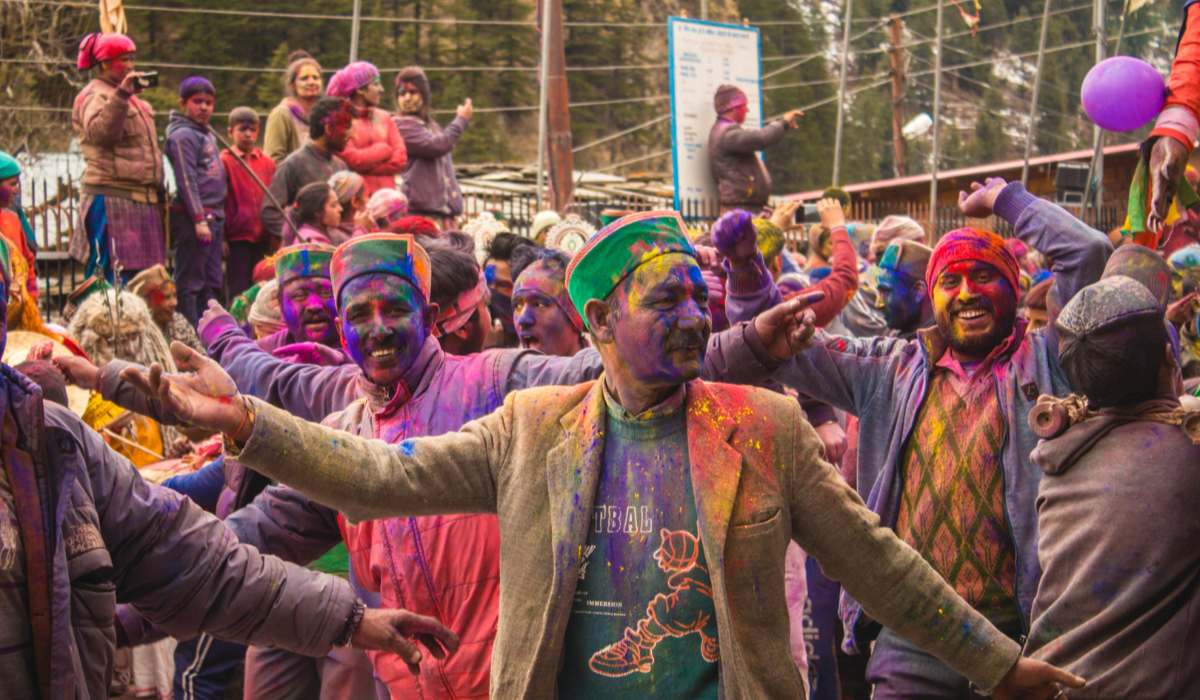
On the main day of the festival, the villagers wake up early and gather at the Nag Temple, the main temple in Sangla. Some villagers, particularly men, dress up in colorful costumes and lead a parade through the village and engage in energetic folk dances.
The main attraction of the festival is the Phagli dance, a traditional performance that represents harmony between humans and nature. Both men and women participate in this dance and is known for its intricate footwork and graceful movements. During the festivities, the locals prepare local food and distribute a special kind of alcohol called ‘phasur’.
It is a two-day festival that brings together locals and tourists together. It provides an opportunity for tourists to witness a unique kind of Holi that is different from the more popular Vrindavan Holi and Mathura Holi.
Why Is Sangla Holi Special?
Sangla Holi is quite different from the traditional Holi festivities in India. The festival draws similarities with both Holi and Diwali, making it a one-of-a-kind experience.
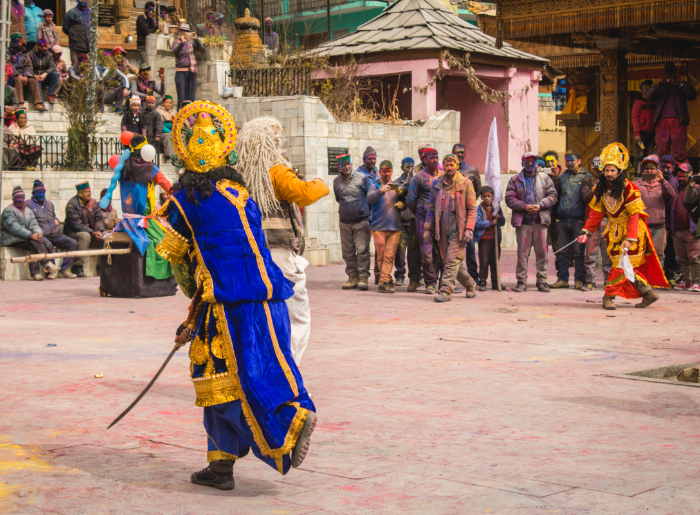
It stands out for its elaborate rituals that involve heavy straw costumes, intricately carved ornaments, as well as wooden masks. The festival is not just about colors, it is also about appreciating folk culture, lesser-known traditions, and emphasizing community bonding. With Kinnauri culture in the limelight, the festival holds immense significance in preserving the local culture and traditions.
How To Reach Sangla Valley?
By Air
The easiest way to reach Sangla Valley by air is to alight at the Bhuntar Airport in Kullu Manali. From the airport you can hire a cab to reach Sangla. The distance is about 240 kilometers (km) and takes about 7 hours to reach. It has limited connectivity to major Indian destinations so book your flight tickets in advance.
By Rail
You can board a train from Delhi to Kalka and then shift to the Shimla-Kalka Toy Train. Once you reach Shimla, you can get a bus or cab to reach Sangla (215 km).
By Road
There are local and state-run buses from cities like Delhi, Chandigarh, as well Shimla and Manali. You can also get shared cabs and private cabs from these cities to reach Sangla Valley.
Also Read: Himachal Pradesh Launches Shimla Heli Taxi Service To Kullu, Kinnaur And Chandigarh
Summing Up
Sangla Holi is a celebration that highlights the local Kinnauri culture and traditions. In recent years, it has caught the attention of travelers from all over the world. Celebrated over two days, the festival is known for its vibrant dances, colorful costumes, and unique traditions. So when are you attending this festival?