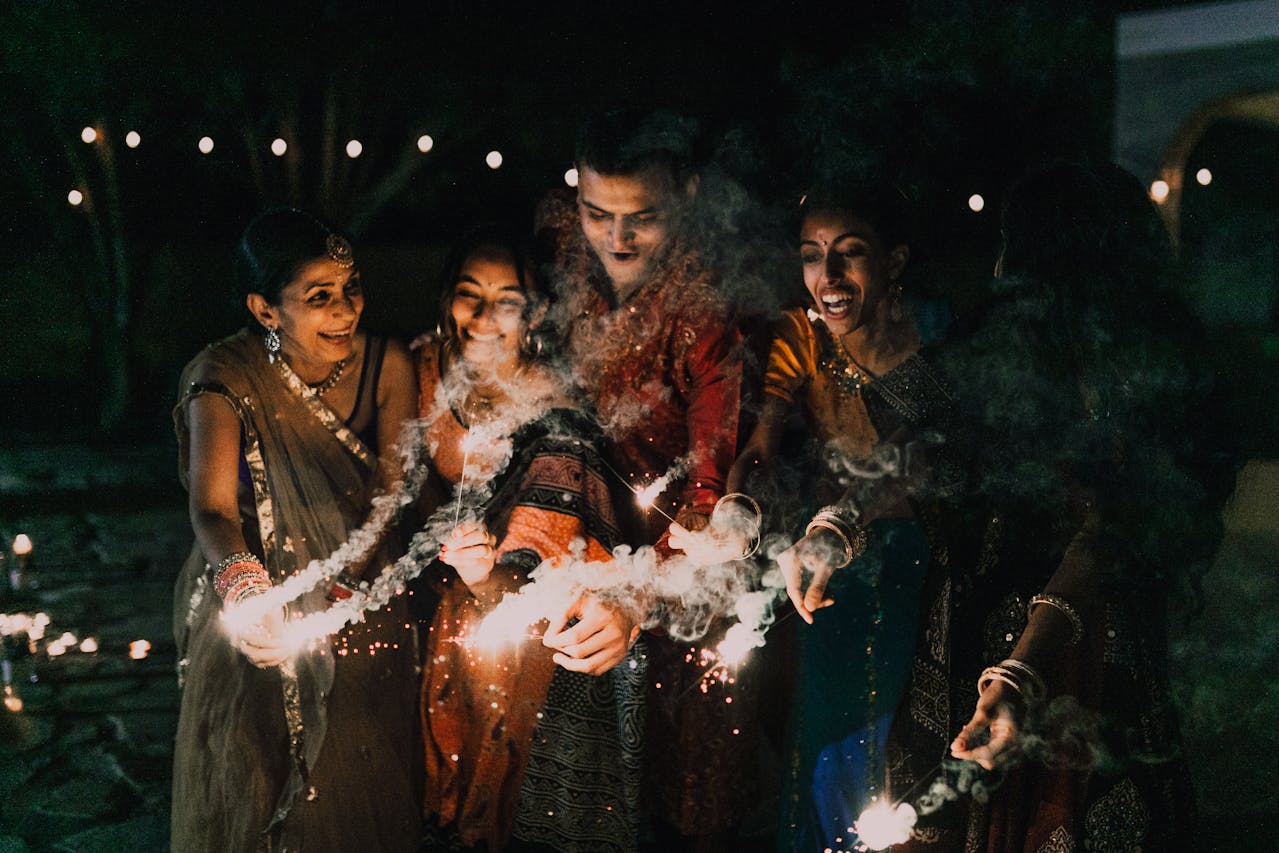
India is a vibrant tapestry of cultural experiences, and its festivals are no exception. From the lively celebration of Holi to the rich traditions of Deepavali, and the joyous atmosphere of Christmas, the country showcases an incredible diversity. Deepavali, also known as Diwali, is particularly renowned as the festival of lights, celebrated with great enthusiasm and splendor throughout India. It has now earned a prestigious place on UNESCO’s Representative List of the Intangible Cultural Heritage of Humanity, further highlighting its significance.
This recognition was announced in an event at the Red Fort, attended by Union Minister of Culture Gajendra Singh Shekhawat, along with senior officials, delegates from 194 member states, international specialists, and representatives from UNESCO’s global network.
The announcement was made during the 20th session of UNESCO’s Intergovernmental Committee, which recognized Deepavali as a significant cultural celebration. UNESCO highlighted the festival as a time of joy that represents the triumph of light over darkness and the victory of good over evil. People engage in various activities such as cleaning and decorating their homes, lighting lamps and candles, setting off fireworks, and praying for prosperity and fresh starts.
People in India and around the world are thrilled.
For us, Deepavali is very closely linked to our culture and ethos. It is the soul of our civilisation. It personifies illumination and righteousness. The addition of Deepavali to the UNESCO Intangible Heritage List will… https://t.co/JxKEDsv8fT
— Narendra Modi (@narendramodi) December 10, 2025
This acknowledgment from UNESCO emphasizes Deepavali as a vibrant heritage that fosters social connections, promotes traditional crafts, upholds values of generosity and well-being, and plays a key role in achieving various Sustainable Development Goals, such as improving livelihoods, advancing gender equality, enhancing cultural education, and supporting community welfare. Prime Minister Narendra Modi expressed that this recognition has delighted people in India and across the globe.
What Is UNESCO’s Intangible Cultural Heritage List
The intangible cultural heritage list highlights the practices and knowledge that communities identify as vital to their culture. UNESCO recognizes traditions like yoga, Kumbh Mela, Garba, Ramlila, and Chhau dance, which evolve while enhancing cultural identity and diversity.